Master Bedroom Illumination: Elegant Milk Glass Lighting
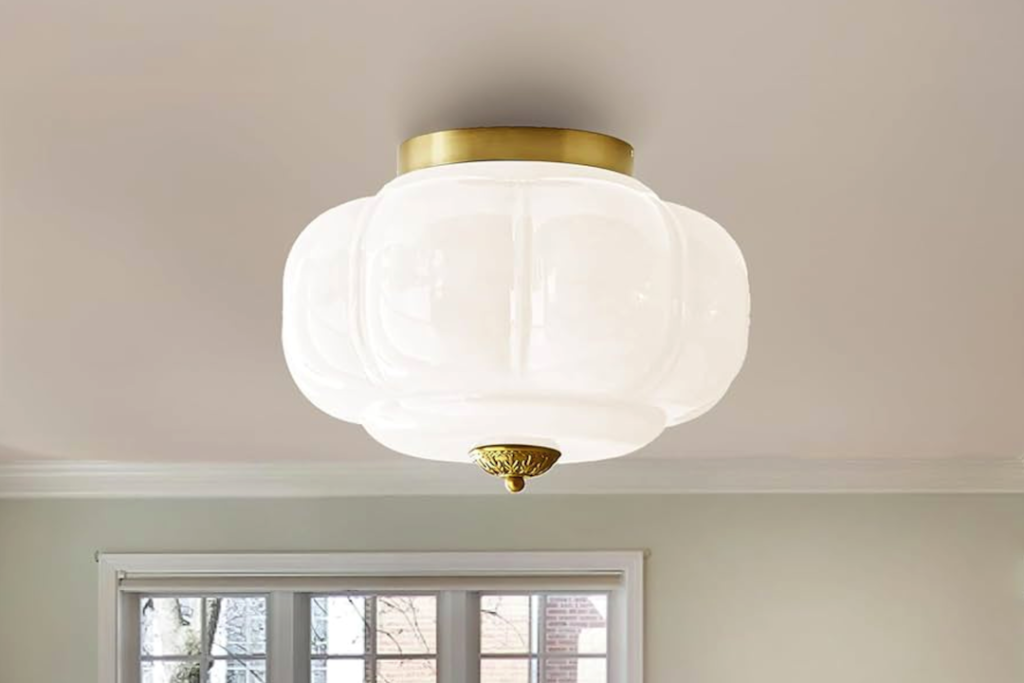
The selection of lighting fixtures for a master bedroom is a design decision with practical and aesthetic implications. Illumination shapes the ambiance, functionality, and perceived spaciousness of a room. This article explores the application of milk glass lighting in master bedroom settings, examining its historical context, material properties, and various design integrations. Milk glass, a translucent white glass, offers distinct advantages for bedroom lighting due to its light diffusion qualities, timeless appeal, and versatility across diverse interior design styles.
Milk glass, sometimes referred to as opaque white glass, has a rich history dating back to 16th-century Venice. Initially crafted to mimic porcelain, it gained widespread popularity in the 19th and early 20th centuries. Its characteristic opaque white appearance is achieved by adding opacifying agents like tin oxide, bone ash, or feldspar during the manufacturing process. This opacification, instead of complete transparency, makes milk glass a unique medium specifically for light Munilo dispersion.
Origins and Evolution
The Venetian glassmakers of Murano initially developed milk glass, or ‘lattimo’ as it was known, as a less expensive alternative to porcelain. Its early applications ranged from decorative dinnerware to ornamental vases. The Victorian era saw a resurgence in its popularity, with a proliferation of mass-produced milk glass items, including lampshades. This period solidified its association with domestic interiors and functional design, paving the way for its continued use in lighting. The Arts and Crafts movement further embraced milk glass for its simplicity and craftsmanship, contrasting with more elaborate Victorian designs.
Material Composition and Light Diffusion
The opacifying agents in milk glass create microscopic air bubbles and crystalline structures within the glass matrix. When light passes through this material, it is scattered and diffused evenly across the surface. This inherent property is crucial for bedroom illumination, as it transforms harsh, direct light into a softer, more uniform glow. Unlike clear glass, which can create glare and sharp shadows, milk glass acts as a natural diffuser, mitigating these undesirable effects. The degree of opacity can vary, impacting the amount of light that passes through and the resultant diffusion. Some milk glass exhibits a slightly translucent quality, allowing for a subtle glow that hints at the light source within, while others are completely opaque, offering a more solid visual form.
Functional Considerations for Master Bedroom Lighting
Effective master bedroom lighting requires a layered approach, integrating ambient, task, and accent lighting to meet various functional needs. Milk glass fixtures can contribute significantly to each of these layers, offering both aesthetic appeal and practical benefits.
Ambient Illumination
Ambient light provides the overall illumination for a room, establishing its general brightness and mood. In a master bedroom, this often translates to a soft, inviting glow rather than harsh, overwhelming brilliance. Milk glass provides an ideal solution for ambient lighting through fixtures such as ceiling-mounted flush mounts, semi-flush mounts, or chandeliers. The diffused light from milk glass reduces stark contrasts and minimizes shadows, contributing to a sense of calm and relaxation, which is paramount in a sleeping environment. Consider the size of the room and the desired level of brightness when selecting the wattage of bulbs for milk glass ambient fixtures. A dimmer switch is a valuable addition, allowing you to regulate the intensity of the light to suit different activities and times of day.
Task Lighting
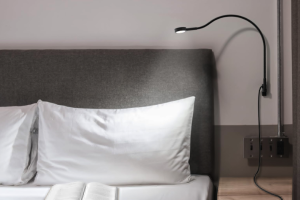
Task lighting focuses illumination on specific areas for activities such as reading, applying makeup, or working. While traditionally associated with direct, focused light, milk glass can be incorporated into task lighting solutions to soften the output without sacrificing functionality. Bedside lamps with milk glass shades, for instance, provide localized illumination for reading without casting a harsh glare on the eyes or disturbing a partner. Similarly, sconces flanking a vanity mirror, when fitted with milk glass shades, can offer effective, diffused light for grooming, reducing shadows on the face. The key is to ensure the light source is positioned optimally to illuminate the task area effectively while leveraging the diffusing properties of the milk glass.
Accent Lighting
Accent lighting is used to highlight architectural features, artwork, or decorative objects, adding depth and visual interest to a space. While less common for primary accent lighting, milk glass can occasionally be employed in smaller, more decorative fixtures. For example, a small decorative milk glass table lamp on a dresser can serve as an accent piece, casting a soft glow that draws attention to a particular vignette. Integrated into ceiling coffers or alcoves, small milk glass fixtures can create a subtle, ethereal glow that defines these architectural details. The diffused nature of the light prevents it from being overly dramatic, instead offering a gentle enhancement of features.
Integrating Milk Glass into Diverse Design Styles
The understated elegance and neutral aesthetic of milk glass allows it to seamlessly integrate into a wide array of interior design styles, from traditional to contemporary. Its versatility lies in its ability to adapt and complement without overpowering the existing decor.
Classic and Traditional Interiors
In classic and traditional master bedrooms, milk glass lighting fixtures evoke a sense of timeless sophistication. Think of a chandelier cascading from the ceiling, its arms adorned with delicate milk glass shades, casting a warm, inviting glow. This complements the rich wood tones, upholstered furniture, and ornate details often found in such settings. Wall sconces with fluted milk glass shades can flank a four-poster bed, providing soft, ambient light that enhances the room’s formal yet comfortable atmosphere. The historical resonance of milk glass, particularly its popularity during the Victorian era, makes it a natural fit for these styles. Look for fixtures with traditional metal finishes like brass, bronze, or aged iron to maintain stylistic consistency.
Modern and Contemporary Spaces
For modern and contemporary master bedrooms, milk glass offers a clean, minimalist aesthetic that aligns with these styles’ emphasis on simplicity and functionality. Sleek, geometric milk glass pendants can hang above bedside tables, providing focused light with a subtle elegance. Flush-mount or semi-flush-mount milk glass fixtures can maintain a clean ceiling line, offering diffused ambient light without visual clutter. The absence of elaborate ornamentation in milk glass allows it to blend seamlessly with the clean lines and often monochromatic palettes of modern design. Pairing milk glass with brushed nickel, chrome, or matte black metal accents can further enhance its contemporary appeal.
Transitional and Eclectic Designs
Transitional design often blends elements of traditional and modern styles, creating a balanced and harmonious look. Milk glass excels in this context due to its inherent adaptability. A milk glass fixture can bridge the gap between classic furniture and modern art, creating a cohesive aesthetic. In eclectic designs, where diverse styles and periods are intentionally mixed, milk glass can serve as a unifying element due to its neutral color and timeless appeal. It can juxtapose effectively with bolder patterns or vibrant colors without competing for attention. Consider an oversized milk glass globe pendant as a central point in an eclectic room, drawing the eye without being visually overwhelming.
Farmhouse and Scandinavian Aesthetics
The rustic charm of farmhouse design and the minimalist warmth of Scandinavian aesthetics also find a natural companion in milk glass. In farmhouse-inspired bedrooms, milk glass fixtures with simple, often distressed metal accents can reinforce the cozy, lived-in feel. Exposed filament bulbs behind a milk glass shade can offer a subtle nod to industrial elements often present in farmhouse decor. Scandinavian design, known for its emphasis on natural materials, light colors, and functionality, benefits from the soft, diffused light offered by milk glass. A simple milk glass globe pendant or a minimalist table lamp aligns perfectly with the clean lines and airy feel characteristic of this style.
Choosing the Right Milk Glass Fixture
Selecting the appropriate milk glass lighting fixture involves considering several factors, including the size of your bedroom, the overall design scheme, and the specific lighting needs.
Fixture Type and Placement
Begin by assessing the primary function of the light. Do you need ambient overhead illumination, bedside reading lights, or decorative accents?
- Chandeliers and Pendants: While often associated with grand spaces, smaller chandeliers or single pendants with milk glass elements can be elegant choices for ambient lighting in a master bedroom. Position them centrally or above a specific focal point like the foot of the bed.
- Flush Mounts and Semi-Flush Mounts: For bedrooms with lower ceilings or a preference for a less obtrusive overhead fixture, milk glass flush mounts provide diffused ambient light efficiently. Semi-flush mounts offer a slightly more decorative presence while maintaining a relatively compact profile.
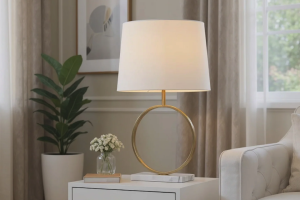
- Table Lamps: Milk glass table lamps are excellent for bedside task lighting or decorative accent lighting on dressers and nightstands. Ensure the lamp’s height and shade size are proportionate to the furniture it rests upon.
- Wall Sconces: Flanking the bed, a vanity mirror, or a piece of artwork, milk glass sconces provide attractive accent or task lighting. They free up surface space on nightstands and can provide a warm, inviting glow.
Size and Scale
The size of your chosen milk glass fixture should be proportionate to the dimensions of your master bedroom. A fixture that is too small can appear insignificant, while one that is too large can overwhelm the space. For overhead fixtures, a common guideline is to add the room’s length and width in feet, then use that sum as the approximate diameter (in inches) for a chandelier or pendant. For example, a 10×12 foot room would suggest a fixture around 22 inches in diameter. For table lamps and sconces, consider the scale relative to the furniture and wall space they will occupy.
Bulb Selection
The type of bulb you choose will significantly impact the quality and quantity of light produced by your milk glass fixture.
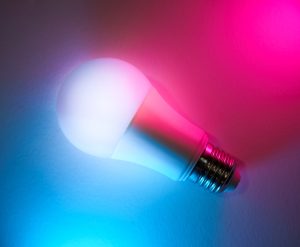
- LED Bulbs: LED bulbs are highly recommended for their energy efficiency, longevity, and cool operating temperature. They are available in various color temperatures, from warm white (2700K-3000K), which mimics traditional incandescent light and promotes relaxation, to cooler white (3500K-4000K), which can be more suitable for task lighting.
- Incandescent Bulbs: While less energy-efficient, incandescent bulbs provide a warm, inviting glow. However, their heat output can be a consideration, and they are being phased out in many regions.
- Dimmable Bulbs: Regardless of the bulb type, opting for dimmable versions is crucial for bedroom lighting. Dimmers allow you to adjust the light intensity, creating different moods and accommodating various activities, from bright illumination for cleaning to a soft glow for winding down.
Maintenance and Care of Milk Glass Lighting
Maintaining milk glass lighting fixtures is relatively straightforward, preserving their aesthetic appeal and ensuring optimal light diffusion.
Routine Cleaning
Dust and grime can accumulate on milk glass shades, diminishing their ability to diffuse light effectively. Regular dusting with a soft, dry cloth is usually sufficient for routine maintenance. For more stubborn dirt or smudges, a slightly damp cloth with mild soap can be used. Avoid abrasive cleaners or harsh chemicals, as these can scratch or damage the glass surface. Always unplug the fixture before cleaning.
Handling and Installation
Milk glass, like other forms of glass, is susceptible to breakage if mishandled. During installation or re-lamping, exercise caution to avoid dropping or striking the shades. Ensure that all components are securely fastened according to the manufacturer’s instructions. If relocating a fixture, carefully disassemble it and pack the milk glass components to prevent damage.
By understanding the historical significance, material properties, and design versatility of milk glass, you can effectively integrate these elegant fixtures into a master bedroom, creating an environment that is both functional and aesthetically pleasing.