Enhance Your Entrance with an Outdoor Wall Lantern
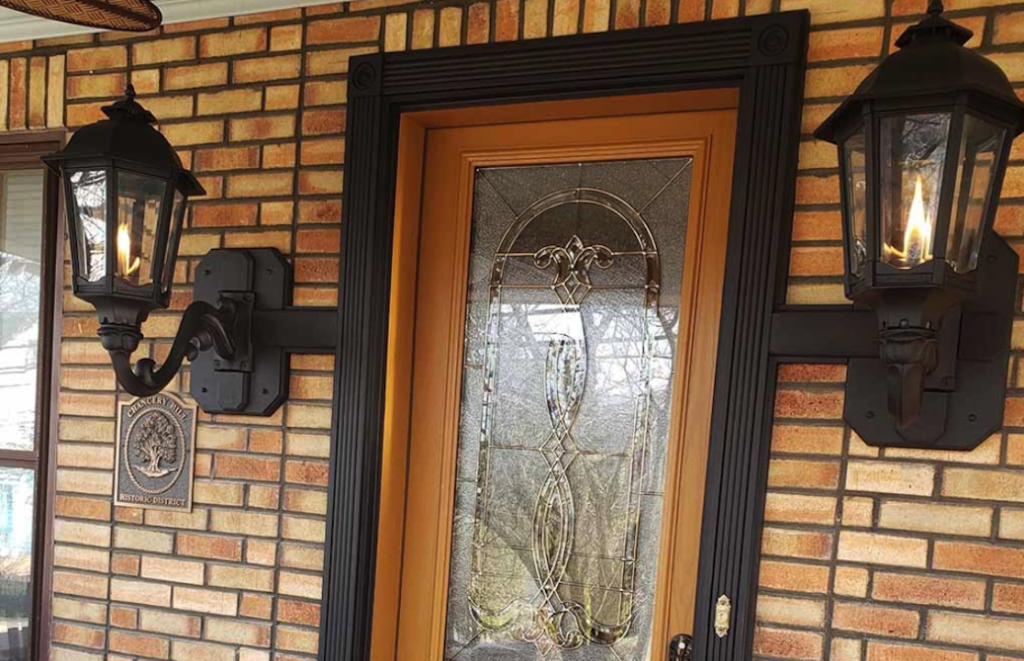
This article discusses the strategic application of outdoor wall lanterns to improve the functionality and aesthetic appeal of building entrances.
Outdoor wall lanterns Annasonic serve a dual purpose: illumination and architectural accentuation. They are fixtures designed to be mounted on the exterior walls of buildings, typically near entrances, pathways, or other areas requiring light. The selection and placement of these fixtures are critical factors in shaping the initial impression of a property and ensuring safe navigation after dark.
Historical Context of Exterior Lighting
The evolution of exterior lighting has mirrored advancements in lighting technology and societal needs. Early forms of external illumination relied on open flames, such as torches or oil lamps, which provided rudimentary light but posed significant fire hazards and were inconsistent in their output. The advent of gas lighting in the 19th century offered a more controlled and brighter illumination, transforming urban streets and residences. The introduction of electricity in the late 19th and early 20th centuries revolutionized exterior lighting, leading to the development of durable and efficient electric fixtures. Outdoor wall lanterns, as we recognize them today, largely emerged during this period, adapting to available technologies and changing architectural styles.
Pre-Electric Illumination Methods
- Torches and Open Flames: Historically, exposed flames from wood or oil were the primary means of outdoor illumination. These were often temporary, used for events or specific tasks, and offered limited visibility over a small area.
- Candles and Lanterns: While more contained, candles within lanterns provided a limited light source, primarily for personal use or small designated areas. Their primary function was portability and protection from the elements.
- Gas Lighting: The widespread adoption of gas lighting brought a more sustained and predictable form of illumination to public spaces and affluent homes. It enabled brighter, more consistent lighting than previous methods.
The Electric Revolution
- Incandescent Bulbs: The development of the incandescent light bulb allowed for the miniaturization and electrification of lighting. This paved the way for the design of enclosed fixtures suitable for exterior mounting.
- Early Electric Fixtures: Initial electric exterior fixtures often mimicked the designs of gas lamps, reflecting a design continuity. Over time, materials and construction methods adapted to the new technology, leading to more robust and weather-resistant designs.
Functional Benefits of Entrance Lighting
Beyond aesthetics, outdoor wall lanterns provide essential functional benefits. The primary function is to illuminate the immediate vicinity of an entrance, making it easier for visitors and residents to locate doorways, keys, and navigate steps. This enhances safety by reducing the risk of trips and falls. Adequate lighting also acts as a deterrent to potential intruders, as unlit areas can be perceived as more vulnerable.
Enhancing Safety and Security
- Visibility of Pathways and Steps: Properly placed lanterns eliminate dark spots, ensuring that pathways, stairways, and the ground immediately around the entrance are visible. This reduces the likelihood of accidents, particularly during inclement weather or at night.
- Deterrent to Crime: Well-lit exteriors signal a maintained property and actively present. This can discourage opportunistic crime by removing hiding places and making individuals more visible.
- Facilitating Access: Locating doorbells, keyholes, and other access points becomes straightforward with adequate lighting, improving the user experience for residents and guests.
Improving Usability and Navigation
- Welcoming Ambiance: Beyond mere function, light can create a sense of welcome. A softly lit entrance indicates that the property is inhabited and accessible, providing a positive first impression.
- Clear Yard Identification: For delivery personnel or emergency services, clear illumination of house numbers and building entrances is crucial for efficient and accurate service.
Aesthetic Contributions of Exterior Lighting
Outdoor wall lanterns are integral to the architectural character of a building. They can highlight architectural features, establish a particular mood, and contribute to the overall curb appeal of a property. The style, material, and finish of the lantern should complement the existing architectural design to create a cohesive visual statement.
Harmonizing with Architectural Styles
- Traditional Designs: For homes with classical or historic architecture, lanterns with intricate details, dark finishes (like wrought iron or bronze), and seeded glass panels are often suitable.
- Modern and Contemporary Aesthetics: Sleek, minimalist designs with clean lines, brushed metal finishes (such as stainless steel or aluminum), and clear or frosted glass are appropriate for modern homes.
- Transitional Applications: Many lanterns bridge different styles, incorporating elements of both traditional and modern design, offering versatility for a wider range of architectural types.
Creating Ambiance and Mood
- Warm and Inviting Light: Lanterns with warm-toned bulbs and diffused light can create a cozy and welcoming atmosphere, drawing people into the space.
- Dramatic Accentuation: Strategic placement and the use of brighter, more focused light can highlight specific architectural details or landscape features, adding a dramatic effect.
- Enhancing Nighttime Appeal: The interplay of light and shadow created by outdoor lanterns transforms the property’s appearance after sunset, making it a visually appealing element of the neighborhood.
Selecting the Right Outdoor Wall Lantern
The selection process for outdoor wall lanterns involves considering several key factors, moving from the broad to the specific. The initial considerations are practical and functional, relating to the intended purpose and the environment. Subsequently, aesthetic considerations come into play, ensuring the fixture aligns with the property’s design.
Determining Placement and Purpose
The intended location and the primary purpose of the lantern will dictate its size, brightness, and style. A lantern flanking a large double door may be larger and provide more illumination than a smaller fixture illuminating a narrow side path.
Positioning Adjacent to Entrances
- Symmetrical Placement: Mounting lanterns on either side of a main entrance is a common and aesthetically pleasing arrangement, providing balanced illumination. The height should generally be at eye level or slightly above, ensuring a comfortable light distribution.
- Single Fixture Applications: In instances where a single fixture is preferred or practical, its placement should still aim to cover the primary entry area effectively. This might involve centering it above the door or positioning it to one side to illuminate a key access point.
Illuminating Pathways and Secondary Entrances
- Guidance Along Walkways: Lanterns can be used along garden paths or driveways to guide visitors. These might be smaller, wall-mounted fixtures or integrated into bollard lights.
- Service and Side Doors: Secondary entrances, such as those leading to a garage or a back garden, also benefit from illumination for safety and convenience.
Considering Size and Scale
The scale of the lantern should be in proportion to the building’s facade and the entrance it is illuminating. An oversized lantern can overwhelm a small entrance, while a diminutive fixture can appear lost on a large building.
Proportionality to Entryways
- Rule of Thumb: A common guideline suggests that the height of the lantern should be approximately one-third to one-quarter of the distance from the bottom of the door to the top of the door frame, or roughly one-third of the overall height of the door.
- Facade Integration: Consider the overall scale of the building. A grand manor will accommodate larger fixtures than a compact cottage. The lantern should feel like an integrated part of the architectural design, not an afterthought.
Visual Weight of Fixtures
- Lantern Design Components: The perceived size of a lantern is influenced by its design elements – the thickness of the frame, the size of the glass panels, and the presence of decorative finials.
- Balancing with Surrounding Elements: The lantern should not visually compete with or detract from other prominent features like windows, doors, or decorative trim.
Evaluating Materials and Finishes
The materials and finishes of outdoor wall lanterns contribute significantly to their durability, maintenance requirements, and stylistic compatibility. These elements are crucial for longevity in varied weather conditions.
Durability in Outdoor Environments
- Metals: Common metals include aluminum, brass, copper, and wrought iron. Aluminum offers good corrosion resistance and is lightweight. Brass and copper develop a patina over time, which can be desirable. Wrought iron, while strong, requires protective coatings to prevent rust. Stainless steel is highly resistant to corrosion.
- Glass and Lens Options: Glass can be clear, seeded (textured), frosted, or patterned. Seeded glass diffuses light and can hide imperfections in the glass itself. Frosted glass offers maximum diffusion for a softer glow. Some fixtures may use acrylic or polycarbonate for increased shatter resistance.
Compatibility with Architectural Style
- Finishes: Finishes like black, bronze, oil-rubbed bronze, brushed nickel, and antique brass are common and can be matched to exterior hardware and architectural details.
- Weathering and Patina: Some materials, like copper or brass without a protective lacquer, will naturally oxidize and develop a patina. This can be an intentional design choice, enhancing the lantern’s character over time, but it requires an understanding of how the material will age.
Maintenance Considerations
- Corrosion Resistance: Finishes and materials that resist corrosion will require less frequent repainting or treatment.
- Cleaning: The type of glass and the complexity of the lantern’s design will influence how easily it can be cleaned of dirt, dust, and insect residue.
Illumination Principles for Entrance Lighting
Effective illumination is not merely about installing a light source; it involves understanding how light behaves and how it can be utilized to achieve specific effects. The type of bulb, the wattage, and the fixture’s design all play a role in the quality and distribution of light.
Bulb Types and Their Characteristics
The choice of bulb technology significantly impacts energy consumption, bulb lifespan, and the quality of light emitted, affecting both function and ambiance.
Incandescent Bulbs
- Characteristics: Produce a warm, familiar light and are inexpensive to purchase. However, they are inefficient, have a short lifespan, and generate considerable heat, which can be a safety concern and affect the lifespan of surrounding materials.
- Usage: Increasingly phased out due to energy efficiency regulations. May still be found in specialty decorative fixtures.
Halogen Bulbs
- Characteristics: A type of incandescent bulb that offers brighter, whiter light and a longer lifespan than standard incandescents. They are more efficient than traditional incandescents but less so than LEDs. They also run hot.
- Usage: Provide good color rendering, making them suitable for highlighting certain architectural details.
Compact Fluorescent Lamps (CFLs)
- Characteristics: More energy-efficient than incandescent and halogen bulbs, with a longer lifespan. They are available in various color temperatures, from warm white to cool white.
- Usage: Historically a more energy-conscious option, but their popularity has waned with the rise of LEDs due to slower startup times and potential mercury content.
Light Emitting Diodes (LEDs)
- Characteristics: Highly energy-efficient, with very long lifespans. They are durable, produce minimal heat, and are available in a vast range of color temperatures and brightness levels. They offer instant illumination and are often dimmable.
- Usage: The current industry standard for most new exterior lighting applications due to their efficiency, longevity, and environmental benefits.
Color Temperature and Brightness (Lumens)
The color temperature of a bulb (measured in Kelvin) influences the mood, while the brightness (measured in lumens) determines the light output. These factors are critical for achieving the desired functional and aesthetic outcomes.
Understanding Kelvin (K)
- Warm White (2700K – 3000K): Mimics the warm glow of traditional incandescent bulbs, creating a cozy, inviting, and relaxing atmosphere. Ideal for most residential entrances.
- Cool White (4000K – 5000K): Provides a brighter, bluer light that can appear more modern and crisp. Can be useful for areas requiring higher visibility but may feel less welcoming in residential settings.
- Daylight (5000K – 6500K): Offers a very bright, bluish-white light that approximates natural daylight. Typically too harsh for residential entrances and more suited for task lighting or commercial applications.
Measuring Light Output in Lumens
- Lumens vs. Watts: Lumens measure the total amount of visible light emitted by a source, whereas watts measure energy consumption. Higher lumen output means a brighter light.
- Appropriate Lumen Levels: For an entrance, a balance is needed. Too few lumens will render the area dark and unsafe. Too many lumens can create glare and be unwelcoming. A typical range for a single entrance lantern might be 450-1100 lumens, depending on the size of the area to be illuminated and the fixture’s design. This information is usually provided by the manufacturer.
Light Distribution and Fixture Design
The way a lantern directs light is as important as the light source itself. Different fixture designs can focus light, diffuse it, or cast patterns onto surrounding surfaces.
Uplighting vs. Downlighting
- Downlighting: Directs light downwards, illuminating the entrance area effectively. This is the most common and practical approach for entrance safety.
- Uplighting: Directs light upwards. While sometimes used for architectural accentuation on the building’s facade, it is generally not suitable as the primary light source for an entrance due to its inefficiency in illuminating the ground and its potential to cause glare.
Diffusion and Shielding
- Diffusers: Materials like frosted glass or plastic are used to soften and spread the light, reducing harshness and creating a more uniform illumination.
- Shielding: Some fixtures incorporate shields or louvers to control light trespass and light pollution, ensuring light is directed where it is needed and minimizing light spilling into neighboring properties or the sky.
Types of Outdoor Wall Lanterns
The variety of outdoor wall lanterns available allows for diverse applications, each type suited to specific design goals and functional requirements. Understanding these categories facilitates informed selection.
Traditional Lantern Styles
These fixtures often draw inspiration from historical lighting designs, emphasizing classic forms and materials. They are well-suited for homes with traditional or historical architectural characteristics.
Carriage Lights
- Description: Often characterized by a more enclosed design, sometimes mimicking the look of gas carriage lamps. They frequently feature metal frames with glass panels and can be mounted in various orientations.
- Aesthetic: Typically offer ornamentation and a sense of established elegance.
Post Lanterns Mounted on Walls
- Description: While traditionally mounted on posts, smaller versions are adapted for wall mounting. These often have a slightly more robust and substantial appearance.
- Aesthetic: Can provide a stately and grounded look to an entrance.
Modern and Contemporary Fixtures
Emphasizing clean lines, minimalist forms, and often using materials like brushed metal and clear glass, these lanterns complement modern and minimalist architectural styles.
Linear and Geometric Designs
- Description: Characterized by straight lines, sharp angles, or simple geometric shapes. They often feature integrated LED lighting for a streamlined appearance.
- Aesthetic: Promote a sleek, uncluttered look.
Minimalist and Unadorned Styles
- Description: Focus on function and form with minimal decorative elements. They often expose the light source or use simple glass enclosures.
- Aesthetic: Emphasize subtlety and integration with the building’s architecture.
Accent and Sconce Lighting
These fixtures are designed to provide focused light or to cast decorative patterns, often serving complementary roles to primary entrance lighting or for illuminating specific architectural features.
Wall Sconces
- Description: A broad category that includes a wide range of designs, from simple directional lights to more ornate fixtures. They are mounted directly onto the wall.
- Aesthetic: Can be highly decorative, adding an artistic element to the facade.
Up-and-Down Lights
- Description: Fixtures that cast light both upwards and downwards from a single unit. These are often used to highlight the texture of a wall or to create dramatic lighting effects.
- Aesthetic: Useful for adding architectural depth and visual interest to exterior walls.
Decorative Lanterns
- Description: These fixtures prioritize visual appeal, often incorporating intricate metalwork, colored glass, or unique shapes. Their lighting function may be secondary to their decorative purpose.
- Aesthetic: Primarily used to enhance the visual character and charm of an entrance.
Installation and Maintenance of Outdoor Wall Lanterns
Proper installation is crucial for both the functionality and safety of outdoor wall lanterns. Once installed, regular maintenance ensures continued performance and longevity.
Electrical Considerations for Installation
This aspect requires careful attention to safety regulations and the correct wiring practices to prevent hazards and ensure the fixture operates as intended.
Power Source and Wiring
- Dedicated Circuit: Exterior lighting should ideally be connected to a dedicated circuit breaker to prevent overloading other circuits and to allow for easy power management.
- Weatherproof Connections: All electrical connections must be made using weatherproof connectors and junction boxes to protect against moisture ingress, which can lead to short circuits or corrosion.
- Grounding: Proper grounding of the fixture is essential for electrical safety, protecting against shocks in the event of a fault.
Safety Standards and Codes
- Local Building Codes: Installation must comply with all local electrical codes and building regulations. These codes are in place to ensure public safety and property protection.
- Professional Electrician: For individuals without extensive electrical knowledge, hiring a qualified electrician is highly recommended to ensure the installation is safe, compliant, and functional.
Mounting and Positioning
The physical attachment of the lantern to the wall needs to be secure and at the correct height to achieve the desired lighting effect.
Secure Wall Attachment
- Appropriate Hardware: Use mounting hardware suitable for the type of wall material (e.g., brick anchors, wood screws) to ensure the fixture is firmly attached and can withstand environmental factors like wind.
- Flashing and Sealing: Proper flashing around the mounting bracket and sealing with exterior-grade caulk can prevent water from penetrating the wall around the wiring entry point, averting damage and leaks.
Optimal Height and Spacing
- Height Considerations: As previously mentioned, the height should be proportional to the door and facade, typically at eye level or slightly higher to avoid direct glare while providing sufficient illumination.
- Spacing for Coverage: For multiple fixtures, ensure adequate spacing to provide even light distribution across the entrance area without creating dark spots or overlapping excessively bright zones.
Ongoing Care and Longevity
Regular maintenance extends the life of the lantern and ensures it continues to perform its intended functions effectively.
Cleaning and Bulb Replacement
- Regular Cleaning: Periodically clean the lantern housing and glass panels to remove dirt, dust, cobwebs, and any residue that can dim the light or detract from its appearance. A mild soap and water solution is usually sufficient.
- Bulb Checks: Inspect bulbs for any signs of damage or reduced performance and replace them as needed. For LED bulbs, this is typically infrequent over the lifespan of the fixture.
Weather Protection and Refinishing
- Inspect for Damage: Regularly check for any signs of corrosion, loose parts, or damage to the finish, especially after harsh weather events.
- Refinishing: Depending on the material and finish, periodic refinishing or application of protective coatings may be necessary to maintain its appearance and prevent degradation from UV rays and moisture.
By carefully considering these aspects, individuals can successfully enhance their property’s entrance with outdoor wall lanterns, achieving a blend of improved functionality, enhanced safety, and significant aesthetic appeal.