Elegant Opal Globe Foyer Chandelier
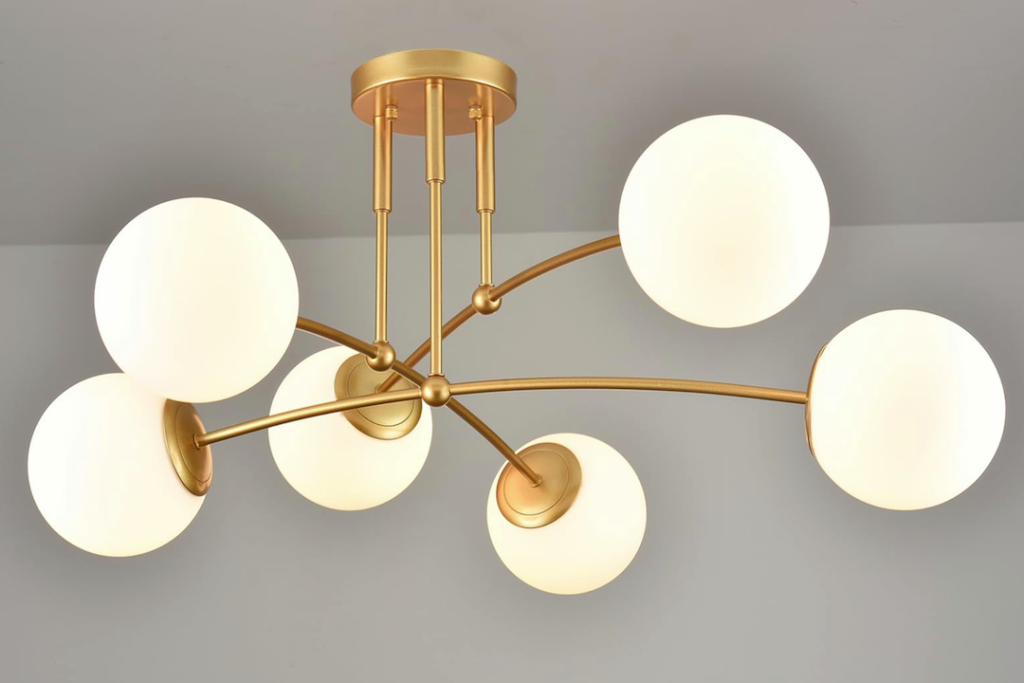
The Elegant Opal Globe Foyer Chandelier is a lighting fixture distinguished by its prominent use of opal glass globes and its common placement in foyers or grand entryways. This type of chandelier is sought for its ability to provide diffused illumination and a sophisticated aesthetic, contributing to the overall ambiance of a residential or commercial space.
The design of the Elegant Opal Globe Foyer Chandelier 1homedesign typically centers around a series of opal glass globes suspended from a central frame. These globes, often spherical or slightly ovular, are crafted from frosted or milk glass, a technique that obscures the light source within, casting a soft, even glow rather than a harsh direct beam. This diffusion is a key characteristic, transforming the raw light into a gentle radiance that can fill a space without causing glare.
Materials Used
The construction of such chandeliers involves a combination of materials designed for both durability and visual appeal. The frame, which anchors the globes and provides the structural integrity, is commonly made from metal.
Metal Frames
Metals such as brass, wrought iron, polished nickel, or brushed bronze are frequently employed. The choice of metal often dictates the chandelier’s style and its compatibility with various interior design schemes. For instance, polished brass may suggest a more traditional or opulent setting, while brushed nickel can lean towards contemporary or transitional aesthetics. The metal is typically finished to a high standard, either polished to a sheen or treated with a patina to achieve a desired look. The finishing process is crucial; a poorly finished metal can detract from the overall elegance of the piece, regardless of the quality of the glass. The frame itself may be designed as a simple central stem from which arms extend, or it could feature more intricate scrollwork or geometric patterns depending on the specific model.
Opal Glass Globes
The opal glass is the crowning element. This glass is opaque due to the inclusion of opacifying agents, such as bone ash or tin oxide, during the manufacturing process. The diffusion properties of opal glass are superior to clear or frosted glass in terms of softening light. Unlike frosted glass, which mechanically roughens the surface to scatter light, opal glass scatters light internally and externally, resulting in a more uniform and softer illumination. The quality of the opal glass can vary. High-quality opal glass will exhibit a consistent hue and density, providing a pleasing diffusion across all its surfaces. Lower-quality glass might show inconsistencies in its opacity, leading to a less refined light quality. The globes are usually secured to the frame using clips, integrated sockets, or threaded fittings. The method of attachment is an important consideration for both aesthetic and practical reasons, influencing how easily the globes can be cleaned or replaced.
Size and Scale
The size and scale of an Elegant Opal Globe Foyer Chandelier are critical factors in its placement and effectiveness. These fixtures are generally designed to be significant focal points, particularly in a foyer where they set the initial impression of a home or building.
Residential Foyers
In residential settings, the height and width of the foyer will dictate the appropriate chandelier size. A chandelier that is too small can appear lost and insignificant, while one that is too large can overwhelm the space and feel disproportionate. Many manufacturers provide guidelines for selecting chandelier size based on room dimensions, with a common rule of thumb being that the diameter of the chandelier should be roughly one-tenth of the room’s width or length in feet, plus the room’s height in feet. For a foyer, this calculation is often used to determine the appropriate span, while the drop length is determined by ceiling height and ensuring adequate clearance for head clearance. The visual weight of the opal globes, though diffused, means that larger diameter globes or a greater number of globes will contribute to a more substantial perceived size.
Commercial Spaces
In commercial applications, such as hotels, restaurants, or office lobbies, the scale of the chandelier often amplifies. These spaces are typically larger and have higher ceilings, requiring larger and more impactful fixtures. an Elegant Opal Globe Foyer Chandelier in a commercial setting is often chosen not just for illumination but as a statement piece that conveys luxury, sophistication, or branding. The sheer volume of light output, albeit diffused, can also be a functional requirement in large open areas. The engineering of these larger fixtures ensures they are securely mounted and adequately supported, often involving specialized mounting hardware and consideration of the building’s structural load capacity.
Lighting Characteristics
The defining feature of the Elegant Opal Globe Foyer Chandelier is its light quality. The opal glass plays a crucial role in transforming the output of the bulbs into a specific, desirable aesthetic.
Light Diffusion
The diffusion of light from opal globes is a deliberate design choice. Unlike bare bulbs that project focused beams, opal glass acts as a filter, scattering the light rays in multiple directions. This process breaks down the harshness of direct illumination, creating a softer, more ambient glow. The effect is akin to looking at the moon on a clear night; the light is present and illuminating, but its source is gentle and its effect is soothing. This diffusion is essential for creating a welcoming atmosphere, particularly in an entry space where the first impression is formed. The degree of diffusion can vary depending on the thickness and composition of the opal glass. Thicker glass or a higher concentration of opacifying agents will result in a more opaque appearance and a softer light.
Illumination Quality
The quality of illumination provided by these chandeliers is characterized by its evenness and its ability to reduce shadows. Without strong, direct light sources, shadows are softened and less distinct, contributing to a more serene and less dramatic environment. This can be advantageous in a foyer, where the aim is to create a sense of calm and order. The light also tends to be perceived as warmer, a quality often associated with comfort and hospitality. The specific color temperature of the bulbs used will, of course, influence the perceived warmth, but the diffused nature of the opal glass can enhance this effect by distributing the light evenly. The uniformity of light makes it easier for the eye to adjust upon entering a space, preventing the jarring experience of moving from bright exterior light to a harshly lit interior.
Placement and Application
The ‘Elegant Opal Globe Foyer Chandelier’ is, as its name suggests, primarily designed for and applied in foyers. However, its design characteristics lend themselves to other suitable locations within a home or commercial environment.
Grand Foyers
The traditional and most common placement for this type of chandelier is in a grand foyer. A foyer serves as the initial point of entry into a dwelling or building, acting as a transitional space between the exterior and the interior.
Establishing Initial Impression
In this context, the chandelier functions as a significant design element, instrumental in establishing the initial aesthetic and atmosphere of the property. It is akin to the handshake that greets a guest; it is the first point of contact and sets the tone for what is to follow. Its scale, material, and the quality of light it emits communicate aspects of the property’s style, elegance, or grandeur. The diffused illumination from the opal globes contributes to a feeling of warmth and welcome, an essential attribute for an entryway. The visual presence of the chandelier, suspended prominently from the ceiling, often draws the eye and serves as a central anchor for the foyer’s design.
Illuminating Entryway Spaces
Beyond its aesthetic contribution, the primary function in a foyer is illumination. It provides the necessary light to navigate the space, find keys, greet guests, and appreciate decorative elements like artwork or architectural details. The soft, even light ensures that the entire foyer is adequately lit without creating harsh contrasts or distracting glare. This is particularly important in spaces that may have varying natural light conditions throughout the day. The chandelier’s ability to provide a consistent and inviting level of light makes the foyer a more functional and comfortable area.
Other Suitable Locations
While foyers are its namesake domain, the design principles behind the Elegant Opal Globe Foyer Chandelier make it adaptable to other areas.
Dining Rooms
The soft, diffused light is also highly effective in dining rooms. The gentle illumination creates an intimate and inviting atmosphere conducive to meals and conversation. Unlike task lighting that might be needed in a kitchen, the light in a dining room is more about ambiance. An opal globe chandelier can provide this with an elegant flair, without the potential for glare that might affect diners sitting at a table. The key is selecting a size and drop length appropriate for the dining table and room dimensions to avoid obstruction and ensure optimal light distribution.
Living Rooms and Lounges
In living rooms or lounges, an Elegant Opal Globe Foyer Chandelier can serve as a statement piece and a source of ambient lighting. Its ability to cast a gentle glow contributes to a relaxed and comfortable atmosphere. For larger living rooms, a proportionally sized chandelier can act as a focal point, drawing attention and adding a touch of sophistication. The diffused light can highlight architectural features or artwork without creating harsh reflections. It offers a more subtle and pervasive form of lighting compared to, for instance, a series of spotlights, contributing to a softer overall visual experience.
Variations and Customization
The category of Elegant Opal Globe Foyer Chandeliers is not monolithic. A range of variations exists, allowing for customization to suit diverse tastes and architectural styles.
Number and Arrangement of Globes
The most apparent variation lies in the number and arrangement of the opal globes.
Single Tier vs. Multi-Tier Designs
Some chandeliers feature a single tier of globes suspended from a central point, creating a more streamlined and modern appearance. Others employ a multi-tier design, where globes are arranged at different levels, often cascading downwards. This multi-tier approach can create a more dramatic and opulent effect, suitable for taller ceilings and larger spaces. The arrangement can be symmetrical, with globes evenly spaced, or asymmetrical, offering a more artistic and dynamic composition.
Globe Size and Shape
The size and shape of the opal globes themselves can also vary. While spherical globes are common, some designs incorporate ovular, cylindrical, or even subtly faceted globes. The size of the globes is directly related to the overall scale of the chandelier, with larger globes often used in more substantial fixtures. The interplay of light within these different shapes can subtly alter the diffusion pattern and the visual impact of the fixture.
Frame Styles and Finishes
The supporting frame offers another significant area for variation and customization.
Geometric vs. Organic Forms
Frames can range from simple, geometric shapes—such as clean lines and angular structures for a modern look—to more organic, flowing forms with intricate scrollwork and elaborate detailing for a traditional or classical aesthetic. The structure can be minimal, almost like an armature holding the globes, or it can be a substantial element in its own right, contributing to the chandelier’s visual weight.
Metal Finishes
As mentioned previously, the choice of metal finish is a key differentiator. Common finishes include polished brass, antique brass, brushed nickel, polished chrome, oil-rubbed bronze, and wrought iron. Each finish imparts a different character to the chandelier, allowing it to seamlessly integrate with various interior color palettes and design motifs. For example, a wrought iron finish might suit a rustic or industrial-inspired space, while polished chrome is often associated with contemporary interiors. The durability of these finishes is also a consideration, particularly in areas prone to higher humidity or frequent handling.
Maintenance and Durability
The longevity and upkeep of an Elegant Opal Globe Foyer Chandelier are important considerations for owners. While generally designed to be durable, some factors influence their long-term performance and appearance.
Cleaning and Preservation
Opal glass, while diffusing light, can accumulate dust and grime over time, which can dull its luminescence and detract from its aesthetic appeal. Regular cleaning is therefore essential.
Routine Dusting
For routine dusting, a soft, dry microfiber cloth is recommended. This will remove surface dust without scratching the glass. It is important to ensure that any fixtures are turned off and cool before cleaning.
Deeper Cleaning
For more thorough cleaning, a mild, non-abrasive glass cleaner can be used. The cleaner should be applied to the cloth, not directly to the glass, to avoid drips that could damage the metal components or electrical fixtures. After cleaning, the globes should be gently dried with a clean, soft cloth. Care should be taken when removing and reattaching the globes to prevent accidental breakage or damage to the mounting hardware. For chandeliers with intricate metalwork, specialized cleaning solutions and brushes may be necessary to reach all areas.
Bulb Replacement and Electrical Considerations
The process of replacing bulbs in an Elegant Opal Globe Foyer Chandelier is generally straightforward, but some considerations are important.
Bulb Types and Wattage
The type and wattage of bulbs used will impact both the light output and energy consumption. Many modern chandeliers are designed to accommodate LED bulbs, which offer significant energy savings and longer lifespan compared to incandescent bulbs. It is crucial to adhere to the manufacturer’s recommended maximum wattage per socket to prevent overheating and potential damage to the fixture or electrical wiring. The base type of the bulb (e.g., E26, E12) will also be specified by the manufacturer.
Electrical Safety
Ensuring the electrical safety of the chandelier is paramount. This includes proper installation, ensuring all wiring is secure and up to code. If the chandelier is older, it is advisable to have it inspected by a qualified electrician to ensure its electrical components are in good working order, especially if there are any signs of wear or damage. Over time, insulation on wires can degrade, posing a potential safety hazard. Furthermore, many larger or tiered chandeliers are heavy and require secure mounting to joists or specialized electrical boxes designed to support significant weight. The wiring itself should be compatible with the chandelier’s design and the building’s electrical system.
The Elegant Opal Globe Foyer Chandelier, through its combination of diffused light, refined materials, and adaptable design, remains a popular choice for designers and homeowners seeking to enhance the ambiance and visual appeal of their entryways and other key living spaces. Its ability to provide both functional illumination and a sophisticated aesthetic ensures its continued relevance in interior design.