Elegant Modern Marble Base Table Lamp with Fabric Shade
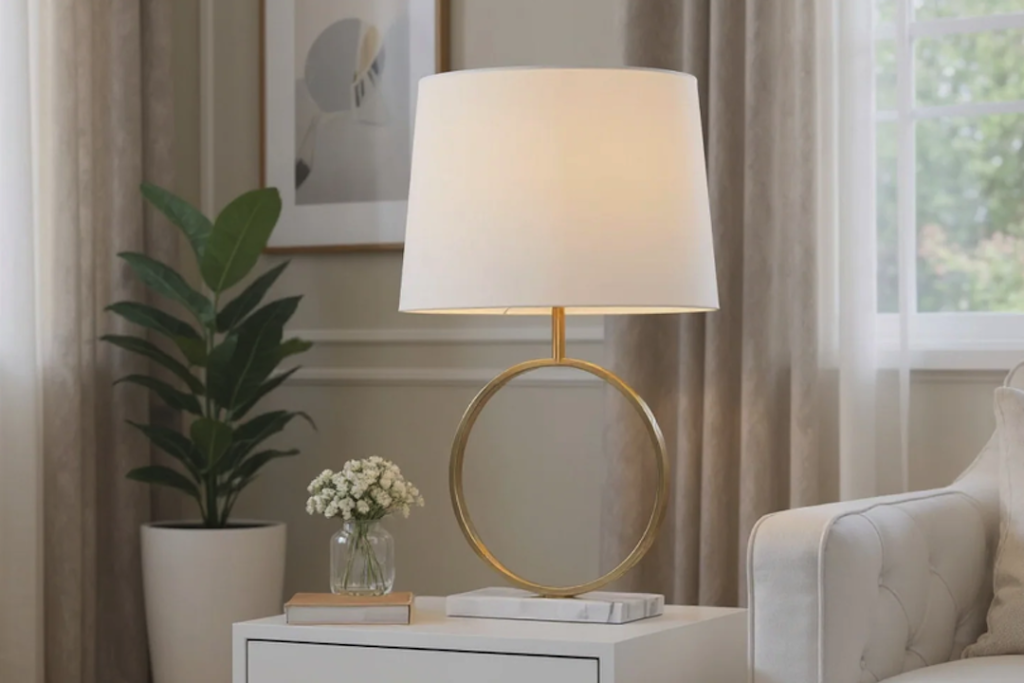
A table lamp, often referred to as a desk lamp or bedside lamp, is a common household and office fixture designed to provide localized illumination. The “Elegant Modern Marble Base Table Lamp with Fabric Shade” represents a specific design and material composition within this broad category. This article will explore its construction, aesthetic qualities, functional aspects, and its place within contemporary interior design.
The term “elegant” in the context of a lamp Bilyhomes suggests a refined and sophisticated appearance, free from ostentatious ornamentation. This elegance is achieved through a combination of form, material, and proportion. The “modern” descriptor points to a design that aligns with current trends in interior styling, generally characterized by clean lines, minimalism, and a focus on materiality.
The Marble Base
Materiality of the Base
The base of this table lamp is constructed from marble. Marble is a metamorphic rock composed primarily of recrystallized carbonate minerals, most commonly calcite. Its appeal lies in its natural veining patterns, which are unique and irregular, making each piece of marble distinct. This natural variation contributes to the lamp’s individuality. The choice of marble implies a desire for a premium material. Marble is known for its density and weight, which provides stability to the lamp, preventing it from tipping over easily. This inherent stability is a crucial functional aspect that also contributes to its perceived quality.
Types of Marble Used
While the article title specifies “marble,” different types of marble are prevalent in furniture and decor. Statuario and Carrara marble, both quarried in Italy, are highly valued for their pure white color and subtle grey veining. Calacatta marble, also Italian, is known for its bolder veining, often in shades of gold or brown. Other regional marbles, such as Nero Marquina (black with white veining) or Verde Alpi (green marble), could also be employed, offering a different chromatic palette. The specific type of marble chosen significantly impacts the lamp’s visual character and cost. A light-colored marble base can create a sense of airiness and spaciousness in a room, acting as a visual anchor without overwhelming the surrounding decor. Conversely, a darker marble can introduce a dramatic contrast and a grounded, substantial feel.
The Form of the Marble Base
Modern design often favors geometric shapes for bases. This could include simple cylinders, cubes, or tapered forms. The lack of intricate carvings or elaborate pedestals is a hallmark of this style. The interaction between the smooth, cool surface of the polished marble and the texture of the surrounding elements, such as wood or fabric, is a key consideration in its design. The weight of the marble base can be metaphorical as well – providing a sense of solid foundation and permanence in a space.
The Fabric Shade
Material Choices for the Shade
The “fabric shade” is a fundamental component of the lamp’s light diffusion and overall aesthetic. Common fabric choices include linen, cotton, silk, or polyester blends. Linen, for instance, offers a natural texture and a slightly diffused light, creating a soft ambiance. Cotton provides a crisp, clean look and can be dyed in a wide range of colors. Silk, while luxurious, can be more delicate and may require specific cleaning. Polyester blends often offer durability and can mimic the appearance of natural fibers at a lower cost. The weave of the fabric also plays a role; a tighter weave will diffuse light more intensely, while a looser weave will allow more light to pass through, casting patterns.
Shade Shapes and Proportions
Typical shade shapes for modern table lamps include cylindrical, conical, drum, or empire. The “drum” shade, a straight-sided cylinder, is particularly prevalent in modern design for its clean, unobtrusive profile. The “empire” shade, while more traditional, can be reinterpreted with modern fabrics and proportions to fit a contemporary aesthetic. The proportion of the shade to the base is critical. A shade that is too large can make the lamp appear top-heavy, while one that is too small may be functionally inadequate and visually unbalanced. The shade acts as a filter, transforming the raw light source into a more usable and aesthetically pleasing illumination.
Color and Texture of the Shade
The color of the fabric shade will significantly influence the mood and light quality. Neutral colors like off-white, cream, beige, or soft grey are common in modern design as they blend seamlessly with various color schemes and offer a versatile illumination. However, bolder colors can also be used as accent pieces, introducing a focal point. The texture of the fabric contributes to the tactile and visual appeal. A subtly textured fabric can add depth, while a very smooth fabric can enhance the lamp’s minimalist feel. The shade, in a sense, is the lamp’s voice, dictating the tone of light it emits.
Functionality and Utility
Beyond its aesthetic contributions, a table lamp is primarily a functional object designed to provide light. The “Elegant Modern Marble Base Table Lamp with Fabric Shade” balances form with purpose.
Illumination Quality and Output
Light Diffusion
The fabric shade is instrumental in diffusing the light emitted by the bulb. Instead of a harsh, direct beam, the shade softens the light, creating a more even and comfortable illumination. This is particularly important for task lighting, where excessive glare can cause eye strain, or for ambient lighting, where a gentle glow is desired. The opacity of the fabric determines the degree of diffusion. A sheerer fabric will allow more light to escape, potentially creating brighter zones, while a more opaque fabric will absorb and scatter more light, resulting in a dimmer, more diffused output.
Bulb Compatibility and Wattage
Modern table lamps typically accommodate standard screw-in bulbs (E26 or E27 base). The wattage capacity of the lamp, often indicated by a maximum wattage rating, dictates the brightness level achievable. While incandescent bulbs were once the standard, LED bulbs are now widely preferred due to their energy efficiency, longevity, and a broader spectrum of color temperatures. The type of bulb chosen will impact the quality of light projected. A warm-toned LED can create a cozy atmosphere, while a cool-toned LED is better suited for focused task lighting.
Placement and Application
Task Lighting
When placed on a desk or a work surface, this type of lamp can serve as task lighting. The marble base provides stability, preventing accidental movement during focused work. The fabric shade, depending on its aperture, can direct light downwards onto the work area while minimizing glare on screens. The height of the lamp is also a factor; a lamp that is too short may cast shadows, while one that is too tall might be obtrusive.
Ambient Lighting
In a living room or bedroom, the lamp can contribute to ambient lighting. Placed on a side table or nightstand, it provides a soft, general light that creates a relaxed atmosphere. The interaction of light with the marble base and fabric shade can produce subtle shadows and highlights, adding dimension to the room’s decor. Unlike overhead lighting, which can feel impersonal, a table lamp offers a more intimate and inviting glow. This creates pools of light that can define zones within a larger space.
Decorative Accent
Even when not actively in use, the lamp can function as a decorative accent. Its design, materials, and form contribute to the overall aesthetic of the room. The polished marble base can reflect ambient light, and the texture of the fabric shade can add a tactile element. It becomes a sculptural piece that enhances the interior design. It’s a quiet statement piece that whispers, rather than shouts, its presence.
Switch Mechanisms
Cord Switches
The most common switch mechanism for table lamps is a cord switch, typically located on the power cord itself. This allows for easy access to turn the lamp on and off without having to reach for the lamp base. These switches can be toggle types or rotary dimmers.
Rotary Socket Switches
Some lamps feature a rotary switch integrated into the bulb socket. Twisting this knob turns the lamp on and off, and sometimes allows for dimming if the lamp is designed for it. This placement keeps the lamp’s body clean and minimalist.
Touch Controls
More contemporary designs may incorporate touch-sensitive controls. A gentle tap on the base or stem can activate the light, and repeated taps can cycle through different brightness levels or color temperatures if the lamp supports these features. This offers a seamless and modern user interface.
Manufacturing and Materials
The creation of such a lamp involves specific manufacturing processes and a careful selection of materials. The interplay of natural elements like marble with manufactured components like lamp hardware is a key aspect.
Sourcing and Processing Marble
Quarrying
Marble is extracted from quarries through techniques such as drilling, wedging, and sawing. The process requires heavy machinery and careful planning to ensure safety and efficiency. The quarry site itself will dictate the type of marble available.
Cutting and Shaping
Once extracted, marble blocks are transported to processing facilities. Here, they are cut into slabs or specific shapes using large gang saws or diamond wire saws. For lamp bases, processes like lathing or CNC machining are used to achieve precise geometric forms. The polishing stage is crucial for achieving the smooth, reflective surface characteristic of marble.
Finishing Techniques
Marble can be finished in various ways. Polishing creates a glossy surface that highlights the stone’s natural veining and luster. Honing produces a more matte finish. Brushing can create a textured, leather-like appearance. The chosen finish will impact the lamp’s visual and tactile qualities. The inherent beauty of the stone is often magnified by careful finishing.
Fabric Selection and Shade Construction
Fabric Weaving and Dyeing
The initial fabric is produced through weaving or knitting processes. For shades, woven fabrics like linen or cotton are common. The fabric is then dyed to the desired color. The dyeing process must be controlled to ensure colorfastness and consistency.
Cutting and Assembly
Fabric panels are precisely cut to match the dimensions of the shade’s form. These panels are then stitched together, often with reinforcing seams. For more structured shades, a wire frame or skeletal structure is employed. The fabric is then stretched and secured to this frame using adhesives or stitching. The alignment of the fabric and the neatness of the seams are critical to the lamp’s finished appearance.
Flame Retardancy
For safety, fabric shades are often treated with flame retardant chemicals. This is a crucial step to meet safety regulations and prevent potential fire hazards, especially with incandescent bulbs that generate heat.
Lamp Hardware and Electrical Components
Metal Fittings
The socket, harp (the C-shaped support holding the shade), finial (the decorative knob at the top of the harp), and any stem or decorative elements are typically made from metal. Common metals include brass, steel, or aluminum. These are often finished through plating (e.g., chrome, brass plating), powder coating, or brushing to achieve the desired aesthetic and durability.
Electrical Wiring
The internal wiring, including the power cord, socket, and switch mechanism, must meet electrical safety standards. Insulated copper wires are used, and connections are made securely to prevent shorts or hazards. The quality of these components ensures the lamp’s safe and reliable operation. Think of these components as the lamp’s circulatory system, silently and efficiently delivering the vital current.
Integration into Interior Design
The “Elegant Modern Marble Base Table Lamp with Fabric Shade” is not merely an object but an element that contributes to the broader narrative of a room’s design. Its placement and how it harmonizes with other furnishings are key considerations.
Minimalism and Contemporary Style
Clean Lines and Uncluttered Spaces
Minimalist design emphasizes simplicity, functionality, and a lack of ornamentation. This lamp aligns well with such aesthetics through its clean lines, geometric form, and the sophisticated, understated beauty of marble. It avoids visual noise, fitting seamlessly into environments that prioritize order and calm.
Material Harmony
In a contemporary setting, it’s common to see a mix of materials such as wood, metal, glass, and natural stone. The marble base of this lamp can complement existing stone elements, such as countertops or fireplace surrounds, or provide a contrasting texture against warmer materials like wood. The fabric shade can tie into the color palette of textiles like cushions or curtains. Its presence is a considered addition, not an accidental one.
Versatility Across Rooms
Living Rooms
Placed on an end table beside a sofa or armchair, it provides localized light for reading or conversation. Its elegant design can elevate the overall sophistication of the living space. It acts as a quiet sentinel, adding a touch of refined illumination.
Bedrooms
On a nightstand, it offers a gentle light for reading before sleep or provides a soft glow that helps create a tranquil atmosphere. The weight of the marble base ensures stability, crucial on a surface often cluttered with books and personal items.
Home Offices
For task lighting, it can be positioned on a desk, offering focused illumination without harsh glare. Its modern aesthetic can contribute to a professional yet inviting workspace. It’s a tool that aids productivity while maintaining visual appeal.
Creating Focal Points and Ambiance
Highlighting Architectural Features
Strategically placed, the lamp can draw attention to a particular architectural feature, such as a bookshelf, a piece of art, or a textured wall. The light it casts can create subtle shadows and highlights, adding depth and interest.
Setting Mood
The quality of light diffused by the fabric shade is instrumental in setting the mood. A warmer, softer light promotes relaxation and intimacy, while a brighter, cooler light can enhance focus and energy. The lamp becomes a conductor, orchestrating the emotional tone of the space.
Environmental Considerations and Durability
The selection of materials and the product’s lifecycle are increasingly important aspects of design and consumer choice.
Sustainability of Marble
Natural Resource Extraction
Marble is a natural resource, and its extraction has environmental implications, including habitat disruption and energy consumption for quarrying and transportation. Responsible sourcing from quarries with sustainable practices is becoming more prevalent.
Longevity and Recyclability
Marble is an exceptionally durable material, meaning a marble-based lamp can last for generations. Unlike plastic components that degrade over time, marble retains its integrity. At the end of its life, marble can be crushed and recycled for use in other construction materials or as aggregate.
Fabric Durability and Care
Natural vs. Synthetic Fibers
The durability of fabric shades varies. Natural fibers like linen can be prone to fading or wear over time, especially with prolonged exposure to sunlight. Synthetic fibers like polyester blends often offer greater fade resistance and easier cleaning.
Maintenance Practices
The care instructions for the fabric shade are important for its longevity. Regular dusting and gentle cleaning, as per the fabric type, will help maintain its appearance. Avoiding harsh chemicals or excessive moisture will prevent damage.
Electrical Component Lifespan
LED Technology
The adoption of LED bulbs significantly increases the lifespan of the lighting component of the lamp. LEDs can last tens of thousands of hours, drastically reducing the frequency of bulb replacement compared to incandescent or halogen bulbs.
Quality of Construction
The quality of the electrical components and wiring within the lamp itself will influence its overall durability. Well-constructed lamps with robust electrical parts are less likely to experience failures, ensuring a longer functional life.
The “Elegant Modern Marble Base Table Lamp with Fabric Shade” represents a confluence of form, material, and function. Its design principles, rooted in modern aesthetics, emphasize clean lines and the inherent beauty of materials. The marble base provides a stable and luxurious foundation, while the fabric shade softens and directs light, creating atmosphere. Its utility extends from task lighting to ambient illumination, making it a versatile addition to contemporary interiors. The careful selection of materials, from the natural elegance of marble to the functional requirements of electrical components and fabric, underpins its construction. As with any designed object, its integration into a living space and its potential environmental impact are factors that contribute to its overall value and desirability.