Coastal Kitchen Lighting: Wicker Pendant Light
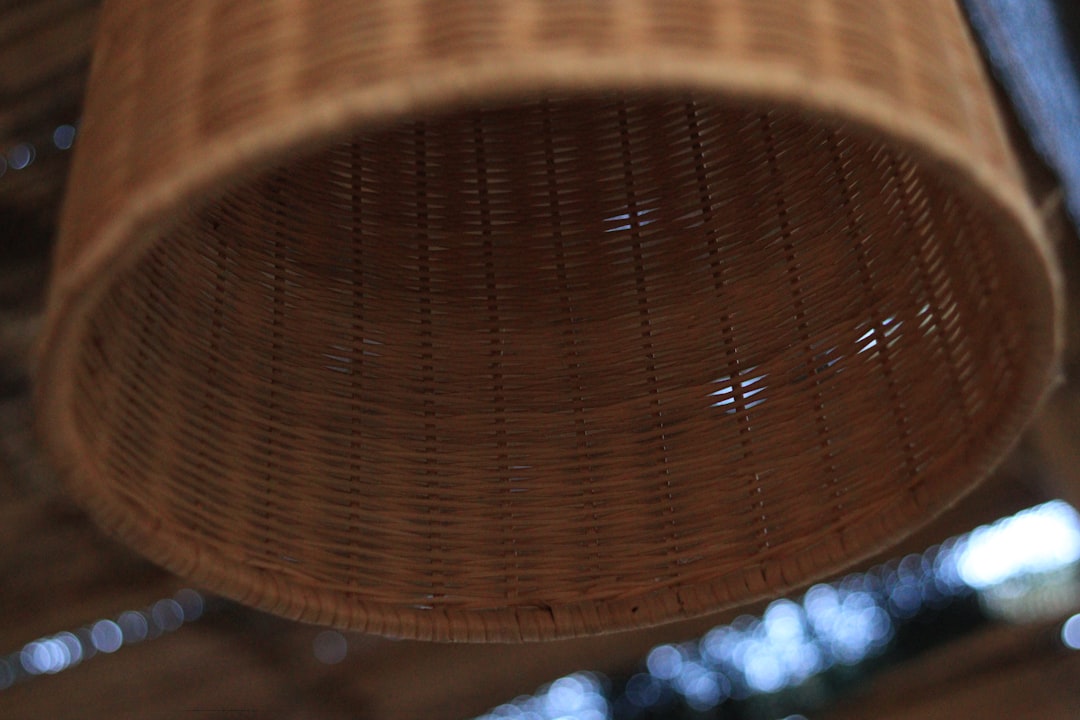
So, you’re thinking about a wicker pendant light for your coastal kitchen? Great choice! They bring a wonderful natural texture and a relaxed vibe that just screams beach house, even if you’re miles inland. The simple answer is yes, a wicker pendant light can absolutely be a fantastic addition to your coastal kitchen. It’s all about how you pick it, where you hang it, and what you pair it with.
Think of it as bringing a touch of the seaside indoors – that warm, organic feel that makes a space feel instantly more inviting and laid-back. Wicker, in general, has this inherent ability to soften a room and add a level of comfort.
But it’s not just about the look. These lights Noosamap can also be surprisingly practical, offering the illumination you need while adding a unique design element. Let’s dive into how to make this work for you.
Why wicker? It’s the natural material, for starters. It’s got that unpretentious, handcrafted feel that perfectly complements the casual, breezy aesthetic of a coastal kitchen.
Natural Texture and Warmth
The woven texture of wicker is its superpower. It’s a tactile element that draws the eye and adds depth to a space. Unlike smooth, manufactured surfaces, wicker has a history, a bit of inherent character. In a kitchen, this can translate to a more welcoming and less sterile environment. It breaks up the clean lines of cabinetry and countertops, adding a touch of organic beauty. This warmth is crucial for making a kitchen feel like the heart of the home, not just a functional space.
Bringing the Outdoors In
Coastal design is all about blurring the lines between indoor and outdoor living. Wicker is a material that’s traditionally associated with outdoor furniture, so bringing it inside naturally evokes that connection to nature. It’s like a subtle nod to the sun, sand, and sea breeze, even if your kitchen doesn’t have a direct view. This organic connection can make your kitchen feel more refreshed and airy.
Versatility in Styling
Don’t pigeonhole wicker as only for rustic or bohemian spaces. While it excels there, it can also fit surprisingly well into more modern coastal designs. The key is in the silhouette of the pendant and the overall color palette of your kitchen. A sleeker, more geometric wicker pendant can work in a contemporary setting, while a more intricate, bohemian style will lean into a more relaxed, lived-in feel. It’s a flexible material that adapts to your vision.
Choosing the Right Wicker Pendant for Your Kitchen
Not all wicker pendants are created equal, and the right one depends on your kitchen’s specific needs and style. It’s not just about grabbing the first one you see.
Size Matters: Scale and Proportion
This is probably the most critical factor. A tiny pendant above a large island can look lost, and a massive one in a small kitchen can overwhelm the space.
Island Illumination
For kitchen islands, pendant lights are primarily functional, providing task lighting. You want them to be large enough to cast a good amount of light but not so large that they obstruct conversation or views across the island. Generally, for a standard island, one to three pendants of 12- to 18-inch diameter usually works well. Consider the height from the island surface – typically 30-36 inches above the countertop, but this can vary based on ceiling height and fixture style.
Dining Nook Accents
If you have a small dining nook within or adjacent to your kitchen, a slightly larger or more decorative wicker pendant can create a focal point. Here, style might trump pure task lighting, but you still want sufficient ambiance.
Material and Finish: Beyond Basic Wicker
“Wicker” is a broad term. The type of weave, the material used (real rattan, bamboo, synthetic wicker), and the finish all impact the final look.
Natural Rattan vs. Synthetic Wicker
- Natural Rattan/Bamboo: This offers the most authentic, organic look. It can be dyed or left natural. Be aware that natural materials might be more susceptible to moisture or damage if your kitchen is prone to steam. They often have a beautiful, slightly irregular texture.
- Synthetic Wicker: Often made from polyethylene or resin, synthetic wicker is much more durable and easier to clean, making it a solid practical choice for kitchens. It can mimic the look of natural wicker very convincingly and comes in a wider range of colors and finishes.
Color Palette Integration
The color of your wicker pendant should tie into your kitchen’s color scheme. While natural tones are classic for coastal, you can also find painted wicker options.
- Natural/Beige: The quintessential coastal look. It’s easy to pair with white, blue, green, and other beachy hues.
- White Washed: A softer, slightly more ethereal feel. Works well in brighter, airy kitchens.
- Black/Dark Tones: For a more modern or dramatically coastal look, darker wicker can provide a striking contrast against lighter cabinetry.
- Blonde/Light Wood Tones: Offers a Scandinavian-meets-coastal vibe, clean and bright.
Light Quality and Diffusion
The weave of the wicker will affect how light is cast. Some weaves are very open and will allow a lot of light to escape, while others are tighter and will diffuse the light more.
Open Weaves for Ambiance
Pendants with looser, more open weaves will cast dappled patterns of light and shadow, creating a warm, inviting ambiance. This might be ideal for general kitchen lighting or over a dining area.
Tighter Weaves for Task Lighting
For areas where you need focused task lighting, like over an island where meal prep happens, you might want a pendant with a tighter weave or one that has a shade or diffuser on the inside to direct light downwards. Sometimes, the wicker itself is minimal, acting more as a frame for a fabric or glass shade.
Placement Strategies for Coastal Wicker Pendants
Where you hang your wicker pendant is just as important as the pendant itself. The right placement enhances both its aesthetic appeal and its functionality.
Over the Kitchen Island: The Classic Choice
This is perhaps the most popular spot for kitchen pendants, and for good reason. They draw the eye, define the island space, and provide crucial task lighting.
Task Lighting Needs
When placing pendants over an island, prioritize light where you need it most. For cooking and prep areas, ensure the light is directed downwards. If the pendant has an open bottom, consider if you need an additional downlight or if the weave itself is sufficient.
Eye Level Considerations
Think about what you’ll see when sitting at the island or standing nearby. The pendant shouldn’t be so low that it obstructs your view across the island or feels like it’s in your personal space. The 30-36 inch rule from the countertop is a good starting point, but adjust based on your ceiling height and the fixture’s overall design.
Highlighting a Breakfast Nook or Banquette
If your kitchen has a dedicated dining area, a wicker pendant can be a beautiful focal point that ties into the kitchen’s coastal theme.
Creating Ambiance
In a dining nook, the focus is often more on creating a cozy and inviting atmosphere. A wicker pendant with a softer, diffused light can be perfect for this. It adds warmth and makes the space feel more intimate.
Defining the Dining Zone
Even in an open-plan kitchen, a pendant light can visually separate and define the dining area, making it feel like its own distinct space.
As a Statement Piece in a Larger Kitchen
In a more expansive kitchen, a larger or a cluster of smaller wicker pendants can become a significant design element, adding personality and style.
Grouping for Impact
Don’t be afraid to hang multiple smaller wicker pendants in a line or a cluster. This can create a dynamic visual effect and provide ample light, especially if you have a larger island or a long counter. The repetition can be very chic.
Balancing with Other Elements
In a large kitchen, ensure your wicker pendant doesn’t get lost. It should be proportionate to the overall scale of the room and balanced by other design elements like cabinetry, countertops, and backsplash.
Lighting Performance and Practicality
While the look of a wicker pendant is undeniably appealing, don’t forget about its core function: providing light.
Bulb Choice: Brightness and Ambiance
The type of bulb you choose will significantly impact the light quality.
Warm vs. Cool Light
For a coastal kitchen, warm white bulbs (around 2700K-3000K) are generally preferred. They create a cozy, inviting atmosphere that aligns with the relaxed feel of coastal design. Cool white bulbs can feel a bit too stark and clinical for this aesthetic.
LED Efficiency and Heat
LED bulbs are the go-to for energy efficiency and longevity. They also produce less heat, which is a plus in a kitchen environment. Ensure the wattage is appropriate for the size of your fixture and the area you need to illuminate.
Dimmers for Versatility
Installing a dimmer switch is a game-changer. It allows you to adjust the light level for different tasks and moods.
Task Lighting Control
Dim your pendants down for a relaxed evening meal, but crank them up for chopping vegetables or cleaning up after dinner.
Creating Mood
A softly lit kitchen in the morning can feel serene, while brighter light is needed for energetic meal preparation. Dimmers offer that flexibility at your fingertips.
Cleaning and Maintenance
Wicker, being a natural or natural-looking material, requires a little care.
Dusting Regularly
A soft brush attachment on your vacuum cleaner or a microfiber cloth is great for regular dusting. In between the weaves, a soft-bristled brush can work wonders.
Dealing with Grime
For more stubborn grime, a slightly damp cloth can be used, but be careful not to oversaturate natural wicker, as this can lead to mildew or damage. Synthetic wicker is generally much more forgiving and can often be wiped down with a mild soap and water solution. Always check the manufacturer’s recommendations for cleaning.
Integrating Wicker Pendants into Coastal Color Schemes
The beauty of wicker lies in its adaptability. It can be a natural anchor or a subtle accent in your coastal kitchen palette.
The Classic Blue and White Kitchen
This is almost synonymous with coastal style. Wicker pendants in natural tones or a soft white wash complement this combination beautifully.
Natural Wicker with Navy Accents
Imagine crisp white cabinets, navy blue island base, and a natural rattan pendant hanging overhead. The wicker brings a grounding, organic element that prevents the color combination from feeling too stark.
White-Washed Wicker with Soft Blues
A whitewashed wicker pendant can add a layer of subtle texture and visual interest to a kitchen with soft powder blue cabinetry or a subway tile backsplash in a pale blue.
Bringing in Natural Wood Tones
Coastal doesn’t always mean just white and blue. Incorporating natural wood tones adds warmth and depth.
Pairing with Light Oak or Driftwood Finishes
If your kitchen features light oak cabinetry or furniture with a driftwood finish, a natural or light-colored wicker pendant will blend seamlessly, enhancing the organic feel.
Contrast with Darker Woods
For a more sophisticated coastal look, a darker stained wood combined with a lighter wicker pendant can create a beautiful contrast. Think dark walnut cabinets with a pale blonde or natural wicker fixture.
Adding Pops of Color and Brightness
Wicker can also act as a neutral backdrop for more vibrant coastal colors.
Yellows and Corals as Accents
If your kitchen has pops of bright yellow dishware, coral accents, or even a colorful rug, a natural wicker pendant will provide a neutral canvas that allows these brighter elements to shine.
Greens and Neutrals for a Serene Feel
For a more muted, serene coastal vibe, pair wicker with various shades of green, sand, and other natural neutrals. A wicker pendant naturally amplifies this organic, earthy feel.
Beyond the Basics: Creative Uses and Considerations
Once you’ve got the main ideas sorted, there are always a few extra things to think about to really elevate your wicker pendant choice.
Mixing Textures for Depth
Don’t be afraid to mix wicker with other materials. This is where a coastal kitchen really comes alive.
Wood, Metal, and Stone Partnerships
Pairing a wicker pendant with metal accents (like brushed nickel or matte black hardware), natural wood elements (butcher block countertops, open shelving), or even stone (marble or quartz) creates a rich, layered look. The contrast in textures is what makes it visually interesting.
Incorporating Soft Furnishings
If your kitchen has an adjacent eating area, consider wicker chairs paired with cushions in coastal-inspired fabrics. The pendant can tie this all together.
Budget-Friendly Wicker Options
You don’t need to break the bank to get a stylish wicker pendant.
DIY and Upcycling
Sometimes, a plain pendant light or even an old lampshade can be transformed into a wicker-style fixture with some natural twine or thin rattan strips. There are tons of DIY tutorials online.
Searching for Sales and Discount Retailers
Keep an eye out for sales at home goods stores, online retailers, and even antique or second-hand shops. You might find a great deal on a unique piece.
The Longevity Factor and Material Choices
As mentioned before, the material matters for durability.
Natural Rattan in Low-Moisture Areas
If your kitchen has excellent ventilation and isn’t prone to excessive steam from cooking, natural rattan is a beautiful, classic choice.
Synthetic for High-Traffic, High-Moisture Kitchens
For kitchens where durability and easy cleaning are paramount, a high-quality synthetic wicker pendant is often the more practical and long-lasting option. It can withstand more wear and tear and is less susceptible to damage from moisture.
In conclusion, a wicker pendant light is a fantastic way to infuse your coastal kitchen with natural charm, warmth, and that effortless seaside feel. By paying attention to scale, finish, placement, and the practicalities of lighting, you can ensure your chosen pendant not only looks stunning but also serves its purpose perfectly, making your kitchen a truly inviting and functional space.