Embracing Imperfection: Wabi Sabi Floor Lamp Cage Shade
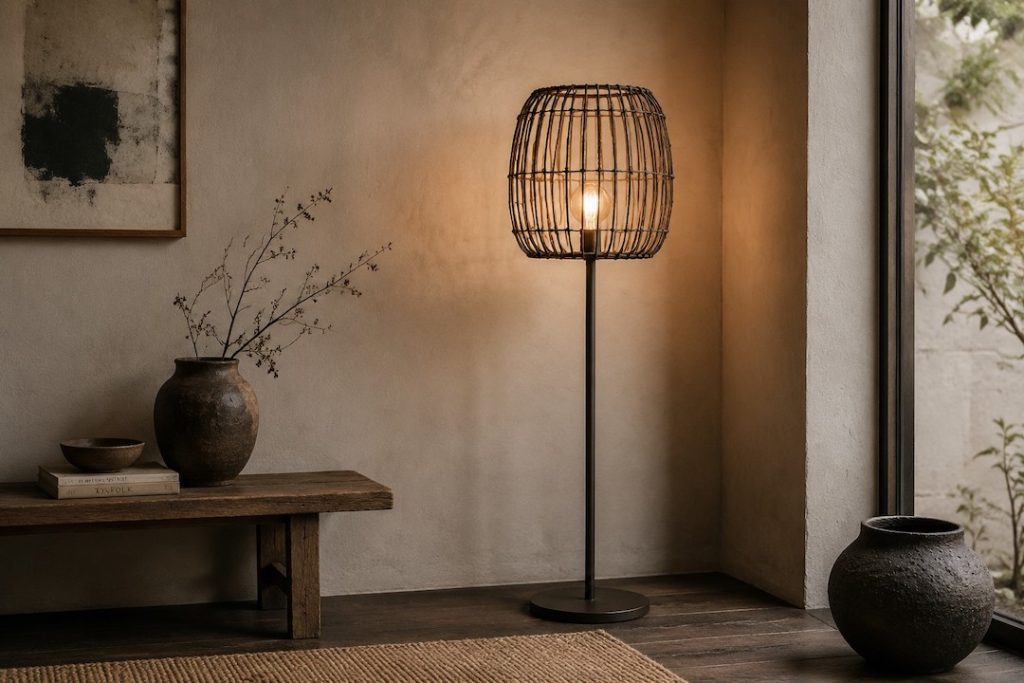
So, you’re looking for a floor lamp that’s a little… different? Something that feels more real, more lived-in, and less like it just rolled off a sterile assembly line? That’s where the Wabi Sabi floor lamp with its cage shade comes in. Forget perfectly polished surfaces and flawless finishes; this lamp embraces the beauty of imperfection, the charm of the handmade, and the stories that come with age and character. It’s not just about lighting up a room; it’s about adding a unique, soulful piece that resonates with a philosophy of accepting what is, rather than striving for an unattainable ideal.
What Exactly is Wabi Sabi?
Before we dive into the lamp Lumieloom itself, it’s helpful to understand the philosophy that gives it its name. Wabi Sabi isn’t about grand pronouncements; it’s more of a quiet appreciation.
The Core of the Philosophy
At its heart, Wabi Sabi is a Japanese aesthetic that celebrates imperfection, transience, and incompleteness. It finds beauty in things that are humble, modest, and even a little bit broken. Think of a timeworn wooden bench, a cracked ceramic teacup, or the way moss grows on an ancient stone. These aren’t seen as flaws, but as indicators of authenticity and the passage of time.
Shifting Our Perspective
In a world often obsessed with perfection, with flawless facades and brand-new everything, Wabi Sabi encourages us to step back and re-evaluate what we consider beautiful. It’s about recognizing the inherent charm in the natural cycles of growth, decay, and weathering. It’s about finding contentment in simplicity and appreciating the subtle nuances that make something unique.
Wabi Sabi in Design
When this philosophy is applied to design, it translates into pieces that feel organic, natural, and unpretentious. You won’t find flashy chrome or elaborate embellishments here. Instead, you’ll see muted colors, natural materials, and forms that hint at their origins and their journey.
The Cage Shade: A Perfect Embodiment
This is where the cage shade of the floor lamp really shines. It’s not designed to hide the light bulb, but rather to frame it, to give it a sense of structure while still allowing its warmth and glow to emanate freely. The cage itself, often made from metal with a slightly aged or distressed finish, becomes a character in the design.
The Appeal of the Exposed Bulb
Unlike traditional lamps that conceal their light sources, the cage shade embraces the bare bulb. This isn’t about being unfinished; it’s about celebrating the fundamental element of light itself. The cage acts as a protective, yet open, enclosure, allowing the bulb’s shape and texture to become part of the overall aesthetic.
Materiality Matters
The materials used for the cage are crucial. Think of wrought iron with a hand-hammered texture, blackened steel showing subtle variations in tone, or even brushed bronze that develops a patina over time. These aren’t manufactured to be uniform; their slight irregularities are precisely what give them their character and align with the Wabi Sabi ethos.
The Shadow Play
The cage shade isn’t just about the light it emits; it’s also about the shadows it casts. The intricate patterns created by the metal bars can add a dynamic and atmospheric quality to your room. These shadows are not distractions; they are part of the visual conversation, contributing to the overall mood and depth of the space.
More Than Just a Light Source: Creating an Atmosphere
A Wabi Sabi floor lamp with a cage shade isn’t merely a functional object; it’s a statement piece that contributes significantly to the atmosphere of your home. It’s about creating a feeling, a mood, and a sense of quiet comfort.
The Warm, Inviting Glow
The light that emanates from a cage shade is often a soft, warm glow. This is because the cage, while allowing light through, can also diffuse it slightly, preventing harsh glare. This creates an inviting and cozy ambiance, perfect for winding down after a long day or for creating a relaxing reading nook.
Complementing Natural Materials
This type of lamp pairs beautifully with other natural elements in your decor. Think of wooden furniture, linen textiles, and woven baskets. The lamp’s honest materials and understated design will harmonize with these elements, creating a cohesive and grounded feel in your space.
Adding a Touch of Industrial Chic (with a Soft Edge)
While the cage shade has a definite industrial feel, the Wabi Sabi influence softens it. It’s not the stark, factory-floor industrialism, but rather a more refined, aged interpretation. This allows it to blend into a variety of interior styles, from minimalist and Scandinavian to more eclectic or bohemian.
A Conversation Starter
This lamp is unlikely to go unnoticed. Its unique design and philosophical underpinnings make it a natural conversation starter. It invites questions and encourages a deeper appreciation for the objects we surround ourselves with.
Practical Considerations for Your Wabi Sabi Lamp
While the aesthetic is a major draw, there are practical aspects to consider when choosing and placing your Wabi Sabi floor lamp. Making informed choices will ensure it integrates seamlessly into your home.
Bulb Choice is Key
Since the bulb is often exposed, its style and wattage are important. Opt for Edison-style bulbs with visible filaments for an authentic vintage look. These bulbs also tend to emit a warmer, softer light, which is ideal for creating a Wabi Sabi ambiance. Consider LED versions of these bulbs for energy efficiency and longevity.
Placement for Maximum Impact
Think about where the lamp will best showcase its unique qualities. Placing it in a corner where it can cast interesting shadows on the wall or near a seating area for reading can be particularly effective. Avoid placing it in direct sunlight, as this can sometimes wash out its subtle beauty.
Material Care and Longevity
The beauty of Wabi Sabi is in its aged appearance, so harsh cleaning products are generally not recommended. A gentle dusting with a soft cloth should suffice. Many cage shades are made from materials that are designed to age gracefully, developing a richer patina over time. Embrace this evolution rather than trying to maintain a pristine look.
Safety First
Ensure the lamp is stable and won’t tip over, especially if you have pets or young children. The cord should be neatly managed to avoid tripping hazards. Look for lamps with a sturdy base.
Integrating Wabi Sabi Beyond the Lamp
Embracing Wabi Sabi doesn’t have to stop at your lighting choices. It’s a philosophy that can ripple through your entire home, creating a more mindful and appreciative living space.
Embracing Other Imperfect Objects
Start looking for other pieces that resonate with the Wabi Sabi aesthetic. A handmade ceramic vase with a slight wobble, a wooden bowl with visible grain and knots, or even a well-loved, slightly faded rug can all contribute to this feeling.
The Beauty of Imperfect Art
Consider art that celebrates texture, natural forms, or even abstract pieces that evoke a sense of raw emotion. This could be anything from pressed flowers in a simple frame to a textured canvas painting.
Natural Elements in Decor
Bring the outside in. Incorporate elements like branches, stones, or dried leaves into your decor. These natural objects inherently possess the Wabi Sabi charm of transience and organic beauty.
Mindful Decluttering
Wabi Sabi isn’t about accumulating clutter, but rather about appreciating what you have. It encourages a mindful approach to possessions, valuing quality and sentiment over quantity. This can lead to a more intentional and less overwhelming living space.
The Comfort of Simplicity
Ultimately, Wabi Sabi is about finding beauty and contentment in simplicity. It’s about creating a home that feels peaceful, authentic, and welcoming, a sanctuary from the demands of the outside world.
A Final Thought on Imperfection’s Charm
The Wabi Sabi floor lamp with its cage shade is more than just a lighting fixture; it’s an invitation to slow down, to appreciate the subtle, and to find beauty in the unpolished. It’s a reminder that perfection isn’t always the goal, and that true character often lies in the things that bear the marks of time and touch. By embracing this philosophy, you can transform not only your home but also your perspective, finding a deeper sense of peace and contentment in the everyday.