Reviving 70s Style with Retro Colored Glass Reading Lamps
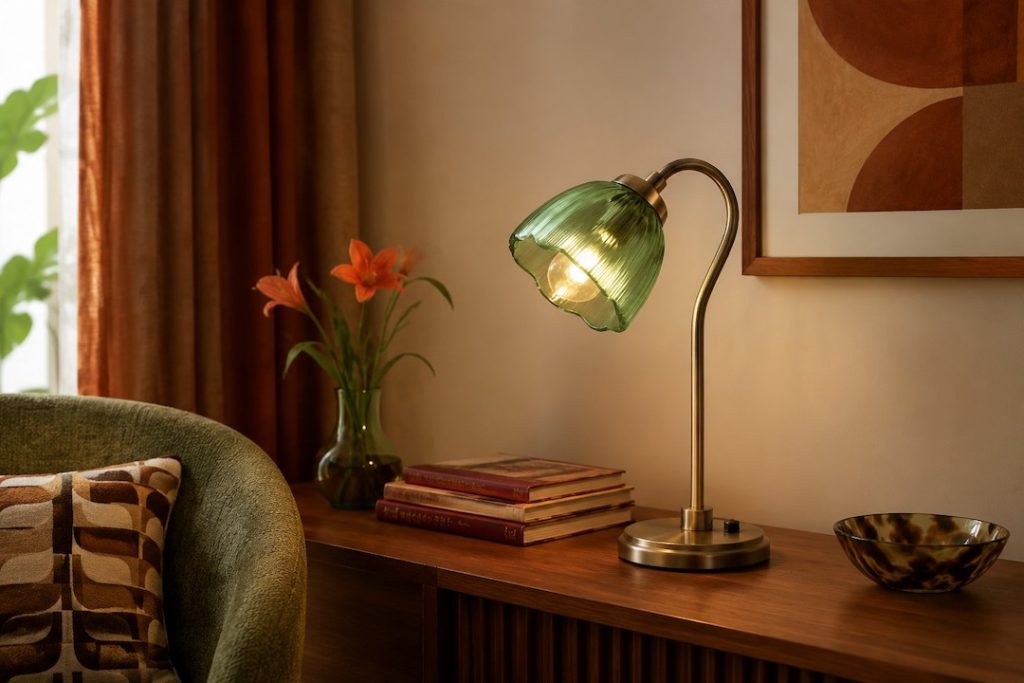
Thinking of adding a touch of vintage cool to your reading nook? Retro-colored glass reading lamps from the 70s are a fantastic way to do it. They offer unique aesthetics and a cozy ambiance that modern lamps often miss, making them a practical and stylish choice for any home.
These aren’t just lamps; they’re conversation starters. The 70s were a fascinating decade for design, moving away from the stark modernism of earlier eras towards something more expressive and often, more tactile. Glass lamps Ilonalighting from this period embody that shift, bringing in warmth, color, and a sense of playfulness.
The Appeal of Colored Glass
It’s not just clear glass. Think amber, smoky gray, olive green, or even vibrant oranges and blues. This colored glass filters light in a way that creates a specific mood. Imagine a soft, warm glow from an amber lamp – instantly inviting.
Unique Shapes and Forms
The 70s weren’t afraid of curves, spheres, and geometric abstractions. You’ll find lamps with mushroom-like tops, globe bases, or angular, architectural forms. These shapes were often quite sculptural, designed to be admired even when not in use.
Sourcing Your 70s Gem: Where to Look and What to Expect
Finding the right lamp is part of the fun. It’s a bit of a treasure hunt, but with some patience, you’ll likely uncover something special.
Online Marketplaces: Your First Stop
Websites like Etsy, eBay, and even dedicated vintage furniture sites are excellent starting points. You’ll find a wide variety, but be prepared for shipping costs and carefully examine photos.
What to Look For Online
- Clear photos: Insist on multiple, well-lit images from different angles.
- Condition descriptions: Honest sellers will detail any chips, cracks, or electrical issues. Don’t be shy about asking for more specifics.
- Measurements: Crucial for understanding if the lamp will fit your space.
- Seller reputation: Check reviews and ratings.
Local Haunts: The Thrill of the Find
Flea markets, antique shops, and estate sales can yield incredible finds. The advantage here is you can inspect the lamp in person.
Tips for In-Person Shopping
- Bring a small flashlight: Useful for checking glass for imperfections in dimly lit shops.
- Ask about the history: Sometimes sellers have interesting anecdotes about the pieces.
- Negotiate (politely!): Especially at flea markets or estate sales, there’s often room for a little bargaining.
What to Expect Price-Wise
Prices can vary wildly. A simple, common design might be $50-100, while a rare designer piece or one in pristine condition could easily go for several hundred dollars or more. Factor in potential restoration costs.
Safety First: Electrical Considerations for Vintage Lamps
This is perhaps the most critical section. Older electronics can pose safety risks if not properly checked or restored. Don’t skip this step.
Inspecting the Wiring
Always assume the wiring needs attention unless explicitly stated and proven otherwise by a professional. Look for:
- Cracked or frayed cords: A major red flag.
- Exposed wires: Absolutely replace immediately.
- Two-prong plugs: While common for the era, upgrading to a grounded three-prong plug (if the lamp allows) is often a good idea, though sometimes not strictly necessary for simple lamps.
- Loose connections: Wiggle the cord where it enters the base – it should be secure.
The Socket and Switch
These components also degrade over time.
- Socket issues: Blackened or corroded contacts, or a loose socket, indicate a problem.
- Faulty switch: If the switch feels stiff, loose, or doesn’t consistently turn the lamp on/off, it needs replacement.
When to Call a Professional (or DIY Safely)
If you’re not comfortable with basic electrical work, take your lamp to a qualified electrician. They can re-wire it, replace the socket and switch, and ensure it’s safe to use.
DIY Rewiring Basics (with caution!)
- Tools: Wire strippers, screwdriver, new lamp cord, new socket, new plug.
- Watch tutorials: Plenty of excellent guides online for re-wiring a lamp.
- ALWAYS unplug: Before touching any internal wiring.
- Double-check: Every connection before plugging it in.
- Fuse box check: Have your fuse box ready in case of a short circuit on the first test.
Integrating 70s Lamps into Modern Decor
These lamps are surprisingly versatile. They can be a focal point or a subtle accent, blending with various interior styles beyond just retro.
Complementing Existing Styles
- Mid-Century Modern: A natural fit. The clean lines and natural materials of MCM furniture pair beautifully with the sculptural quality of 70s glass.
- Bohemian: The rich colors and unique textures of 70s lamps fit perfectly with the relaxed, eclectic vibe of boho decor.
- Industrial: A smoky gray glass lamp can add a touch of warmth and sophistication to a more industrial aesthetic.
- Minimalist: A single, well-chosen 70s lamp can be a statement piece in an otherwise minimalist space, adding a pop of color or an interesting form without clutter.
Placement Matters: Creating the Right Ambiance
Consider where the lamp will sit and how its light will interact with the room.
Reading Nooks
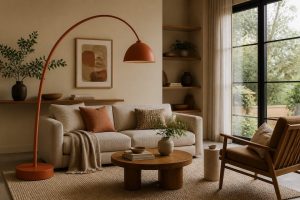
- Beside an armchair: This is where these lamps truly shine. The focused, often warm light is perfect for reading.
- On a small side table: Ensure the lamp’s height is appropriate – you don’t want the light glaring into your eyes or casting shadows where you need light.
Other Areas
- Entryway console: A sculptural lamp can make a welcoming first impression.
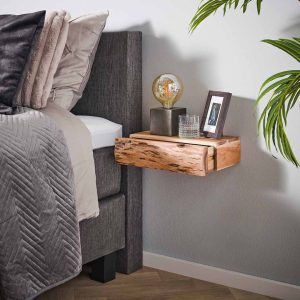
- Bedside table: A pair of matching or complementary lamps can add symmetry and warmth.
- Shelving unit: A smaller, more decorative lamp can be an interesting accent among books or other objects.
Cleaning and Maintaining Your Vintage Glass Lamp
Keeping your lamp looking its best involves gentle care.
Dusting and General Cleaning
- Soft cloths: Microfiber cloths are great for removing dust without scratching.
- Feather duster: For hard-to-reach areas.
- Avoid harsh chemicals: Especially on painted or coated glass, as it can strip the finish.
Deep Cleaning Glass Components
For smudges or grime, a gentle approach is best.
- Mild soap and water: A tiny drop of dish soap in warm water.
- Soft sponge or cloth: Never use abrasive scrubbers.
- Thorough drying: Ensure all components are completely dry before reassembling or plugging in.
- Separate components: If possible, take apart the lamp to clean glass shades or bases separately. This also gives you a chance to inspect internal wiring.
Bulb Choice: Enhancing the Aesthetic
The type of bulb you use can significantly alter the lamp’s appearance and the light it casts.
LED for Efficiency and Longevity
- Warm white LEDs: These mimic the incandescent glow without the heat or energy consumption. Look for bulbs with a color temperature around 2700K-3000K.
- Dimmable options: Many vintage lamps weren’t dimmable, but if yours is, or if you plan to install a dimmer switch, ensure your LED bulbs are compatible.
Edison Bulbs for a Specific Look
- Filament LEDs: These combine the vintage look of exposed filaments with LED efficiency. They often have a warmer, amber glow, which can be perfect for enhancing the 70s vibe.
- Consider brightness: Some filament bulbs can be quite bright; choose a lower wattage if you’re aiming for ambiance.
Beyond the Reading Nook: Creative Uses and Design Inspiration
These lamps aren’t just for reading. Let your imagination guide you in integrating them throughout your home.
Art Piece and Mood Lighting
Even when turned off, the unique shapes and colors of these lamps make them sculptural art pieces. When lit, they transform into sources of atmospheric mood lighting.
Highlighting Features
- Against a dark wall: The colored glass will pop beautifully.
- In a bookshelf: Tucked among books, it adds a cozy glow and visual interest.
Pairing with Other Vintage Elements
Don’t be afraid to mix and match. A 70s lamp can sit comfortably alongside a 60s credenza or an 80s abstract painting.
Creating a Vignette
- A stack of vintage books: Place them beside the lamp.
- A small plant: A spider plant or philodendron in a macrame hanger would be very on-theme.
- Retro ceramics: A small vase or catch-all dish from the same era.
The Enduring Appeal of Retro Glass
What makes these lamps continue to captivate us? It’s more than just nostalgia. It’s about quality, character, and a connection to a different time in design.
Handcrafted Quality
Many of these lamps were handmade or produced in smaller batches, leading to variations and unique imperfections that give them character. The glass often has a weight and richness that feels substantial.
A Nod to Individuality
In an era of mass-produced, identical items, choosing a vintage lamp is a statement of individuality. It says you appreciate design, history, and sustainability. You’re choosing something with a story.
Sustainable Decor Choice
Reusing and repurposing items is inherently sustainable. By choosing a vintage lamp, you’re not contributing to new manufacturing processes and you’re giving an existing item a new lease on life. It’s a stylish way to be environmentally conscious.
So, if you’re looking to add warmth, character, and a bit of a story to your home, a 70s retro colored glass reading lamp might just be the perfect find for you. Happy hunting!