Respectful Period Home Lighting for Old Plaster
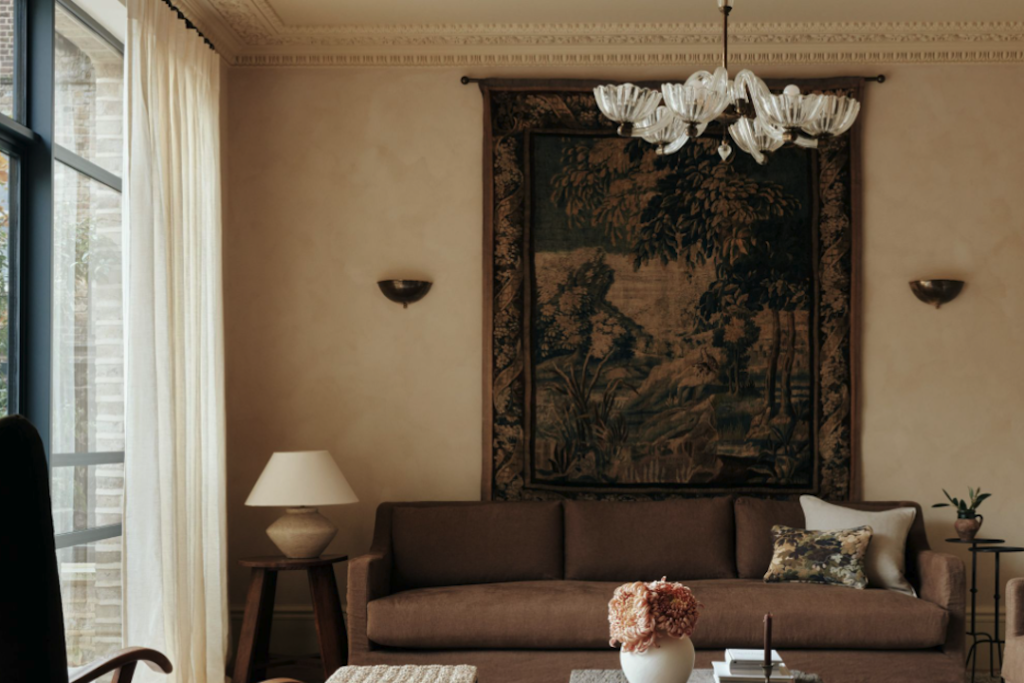
Restoring an old home comes with a unique set of challenges, and lighting is definitely one of them. When you’re dealing with original plaster, especially in a period home, you need to be extra mindful about how you approach lighting installations. The good news is, you absolutely can achieve beautiful, functional lighting without damaging that precious plaster. The key is careful planning, understanding your limitations, and choosing the right methods.
Old plaster isn’t like modern drywall. It’s often thicker, more brittle, and can be more prone to cracking and crumbling if not handled correctly. It’s a layered system, typically with lath (wood strips) behind it, and the bond between these layers can weaken over time. Drilling or cutting into it without proper technique can lead to significant damage that’s costly and time-consuming to repair.
Why Old Plaster is Different
Modern plasterboard (drywall) is a uniform, relatively flexible sheet. Old plaster, however, was applied wet in multiple coats over lath. This creates a hard, often uneven surface. The lath itself can be brittle, and finding the studs behind it can be tricky. This means every penetration, whether for a screw or a cable, needs to be done with care.
The Risk of Damage
A hasty drill can send spiderweb cracks across your ceiling or wall. If the plaster is already compromised, even a small vibration can cause larger sections to come loose from the lath. And once that bond is broken, you’re looking at a much bigger repair job than a simple patch.
Planning Your Lighting Strategy
Before you even think about buying a single light fixture Opcsun, take some time to plan. This isn’t just about aesthetics; it’s about minimizing interventions into your historic fabric. Think about how you live in the space, what tasks you perform in each room, and what kind of atmosphere you want to create.
Assess Existing Wiring and Fixtures
Start by looking at what’s already there. Are there existing junction boxes? Are they safely wired and up to code? Often, older homes have outdated knob and tube wiring, or previous owners made questionable electrical updates. A qualified electrician can assess the current state and advise on upgrades. If you have existing ceiling roses or wall sconce locations, these are often the easiest points to work from.
Consider the Function of Each Space
- Ambient Lighting: This is your general light, illuminating the whole room. Ceiling fixtures (if existing points allow) or floor lamps are good for this.
- Task Lighting: For specific activities like reading, cooking, or working. Think table lamps, adjustable floor lamps, or carefully placed under-cabinet lighting.
- Accent Lighting: To highlight architectural features or artwork. Picture lights or discreet uplighters can work well.
By combining different types of lighting, you can create a layered effect that’s both functional and respectful of the original features.
Minimizing Plaster Intervention
This is where the “respectful” part really comes in. The goal is to get the light you need with as little disturbance to your original plaster as possible.
Utilize Existing Openings
If there are existing ceiling roses, wall sconce locations, or even just old electrical box covers, these are your best friends. Using these points means you don’t have to create new holes. An electrician can often fish new wires through existing conduits or wall cavities from these access points.
Surface-Mounted Solutions
Often overlooked in modern design, surface-mounted fixtures are a fantastic option for period homes.
- Surface-Mounted Downlights: Instead of recessed cans (which require significant ceiling cutting), modern surface-mounted downlights offer a sleek profile without plaster destruction. They come in various styles, from subtle disks to more decorative options.
- Track Lighting (Subtly Applied): While often associated with a modern aesthetic, discreet track lighting can be used effectively. It allows you to position multiple lights along a single track, minimizing penetrations to just two mounting points. Choose a track that blends with your ceiling.
- Picture Rail Lighting: Many period homes have picture rails. Specialized lighting fixtures can clip onto these rails, providing accent lighting downwards or uplighting for the ceiling, all without touching the main wall surface.
Lamps, Lamps, and More Lamps
This is perhaps the simplest and most effective way to add light without touching your plaster. Floor lamps, table lamps, and even buffet lamps can provide significant ambient, task, and accent lighting. They are flexible, portable, and don’t require any invasive installation.
- Strategic Placement: Think about where you need light. A tall arc lamp can provide overhead lighting for a seating area, while a pair of table lamps on a console can beautifully illuminate a hallway.
- Bulb Choice: The type of bulb makes a huge difference. Warm LED bulbs (2700K-3000K) mimic the glow of traditional incandescent bulbs and are much more energy-efficient.
Smart Wiring Solutions
Wiring is often the biggest hurdle when trying to install new lighting in old plaster walls and ceilings. Getting wires from A to B without tearing everything apart requires a clever approach.
Fishing Wires
This is the preferred method whenever possible. An electrician can often use specialized tools to “fish” new electrical cables through existing wall cavities from an existing opening to a new, carefully chosen location. This avoids large cuts in the plaster. It requires skill and patience but is significantly less destructive than opening up entire sections of wall.
- Access Points: Small pilot holes can be drilled strategically, perhaps in a discreet corner or behind where a fixture will sit, to help guide the fish tape.
- Wall Cavities: Older homes often have larger wall cavities than modern homes, which can make fishing easier. However, fire breaks or previous modifications can also create obstacles.
Surface-Mounted Wiring (Conduit)
In some situations, particularly in more utilitarian spaces or if you’re embracing an industrial aesthetic, surface-mounted conduit can be an attractive and practical solution. The conduit itself houses the wires, protecting them and eliminating the need to bury them in the plaster.
- Aesthetic Considerations: Modern conduit can be sleek and unobtrusive, especially if painted to match the wall or ceiling. Vintage-style metal conduit can even add to the period charm in certain settings.
- Ease of Maintenance: A significant advantage of conduit is that the wiring remains accessible, making future repairs or modifications much simpler.
Wireless and Battery-Operated Options
Technology has come a long way, and for certain applications, wireless or battery-operated lights can be a lifesaver.
- Battery-Operated Sconces/Picture Lights: Many decorative sconces are now available as battery-operated units, eliminating the need for wiring entirely. Similarly, battery-powered picture lights are fantastic for highlighting artwork without needing an outlet or wiring nearby.
- Smart Bulbs: While they still need a wired fixture, smart bulbs allow you to control brightness, color temperature, and even turn lights on/off via an app or voice command, adding modern convenience to existing (or minimally installed) fixtures.
- Self-Adhesive LED Strips: For under-cabinet lighting or subtle accent lighting in shelves, self-adhesive LED strips can be a great, non-invasive solution. Many are low voltage and can be powered by a small transformer plugged into an existing outlet.
Professional Help is Key
Unless you’re a qualified electrician with experience in historic homes, wiring and new installations are jobs best left to the professionals. This isn’t just about safety; it’s about protecting your home’s integrity.
Hiring the Right Electrician
When seeking an electrician for a period home, look for someone with specific experience in historic properties. Ask these questions:
- “Do you have experience working with old plaster walls and ceilings?”
- “What methods do you use to minimize damage during installation?”
- “Can you provide references from other historic home owners?”
An experienced electrician will understand the nuances of old wiring, plaster, and the challenges involved in working with these materials. They will have the right tools and techniques to fish wires and make connections safely and efficiently.
Coordination with Other Trades
If you’re undertaking a larger renovation, ensure your lighting plan is coordinated with other trades. For example, if you’re doing any plaster repair or painting, electrical work should ideally happen before the final finishes are applied. This allows for any minor plaster patching needed after an electrical intervention to be seamlessly integrated into the repair process.
Maintaining Your Period Home’s Character
Beyond the practicalities of installation, think about how the chosen lighting fixtures themselves contribute to the overall character of your home.
Choosing Period-Appropriate Fixtures
Modern lighting can certainly coexist with period features, but often, fixtures that echo the home’s original era feel more natural.
- Research Your Home’s Era: Look at catalogs, historical photos, or even similar homes from your property’s build date to get an idea of common lighting styles.
- Reproductions and Antiques: Many companies specialize in high-quality reproduction lighting from various periods (Victorian, Art Deco, Mid-Century Modern, etc.). Antique fixtures can also be stunning but often require rewiring to meet modern safety standards.
- Scale and Proportion: Ensure the size of the fixture is appropriate for the room. An oversized chandelier in a small room will feel overwhelming, while a tiny sconce in a grand hall will be lost.
The Role of Dimmers
Dimmers are an inexpensive and highly effective way to create atmosphere and reduce energy consumption. They allow you to adjust the light level to suit different moods and tasks, enhancing the versatility of your lighting scheme. Installing dimmers in your existing switch boxes is often a straightforward electrical upgrade.
Integrating Modern Technology Thoughtfully
While respecting the past, don’t shy away from modern conveniences that enhance your living experience.
- LED Bulbs: As mentioned, warm-toned LEDs are a game-changer. They offer excellent energy efficiency, a long lifespan, and many now mimic the warm glow of traditional incandescent bulbs, making them perfect for period settings.
- Smart Home Systems: If you’re inclined, smart home technology can integrate seamlessly without visual impact. Smart switches or smart plugs can control traditional fixtures, allowing for automation and remote control without cluttering your walls with new panels.
By combining careful planning, strategic material choices, and the right professional help, you can illuminate your period home beautifully and functionally, all while preserving the integrity and charm of its original plaster. It’s a balance of respecting the past and embracing the conveniences of the present, creating a space that’s both historic and livable.