Creating a Warm and Inviting Atmosphere with New Build Lighting
Thinking about how to make your brand-new house feel like a home? Lighting is a huge part of that, and for new builds, you’ve got a golden opportunity to get it right from the start. It’s not just about seeing where you’re going; it’s about shaping moods, highlighting your style, and making every space feel comfortable and welcoming.
The Foundation: Understanding Light Layers
When we talk about creating a warm and inviting atmosphere with lighting in a new build, the key isn’t just picking pretty fixtures. It’s about thinking in layers. Imagine it like building up a painting – you start with a base, add depth, and then bring out the details. Lighting works much the same way.
Ambient Lighting: The Gentle Glow
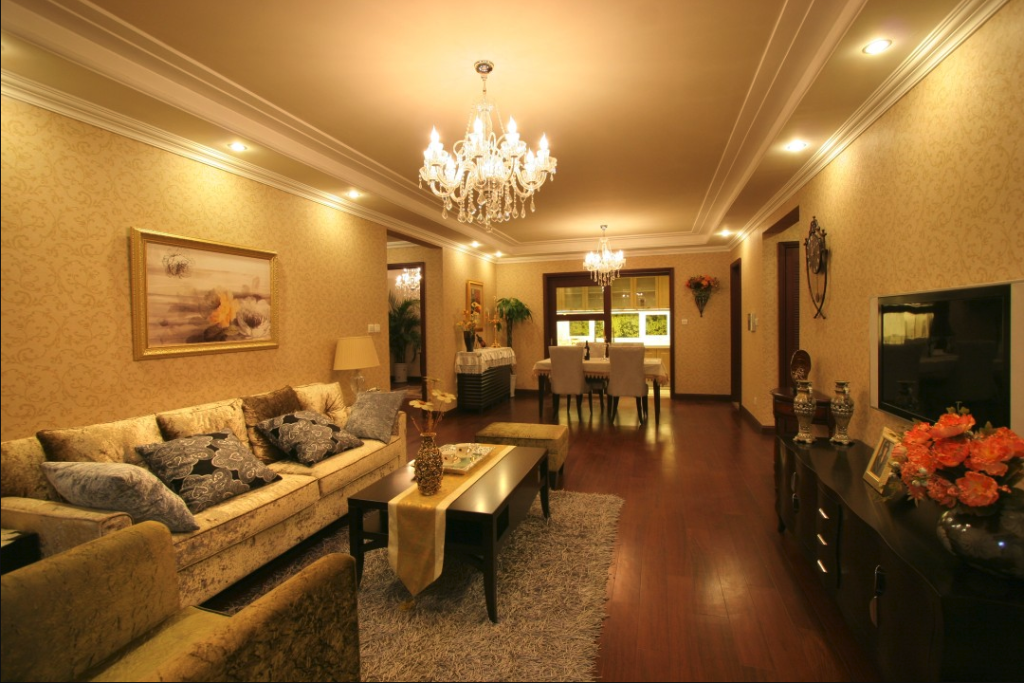
This is your go-to for general illumination. Think of it as the soft, overall light that fills a room, making it feel bright enough to move around comfortably. In a new build, this is often where recessed ceiling lights Lumieloom, track lighting, or even stylish ceiling pendants come in. The goal here is even distribution without harsh shadows.
Choosing the Right Fixtures
- Recessed Lights (Downlights): These are super popular in new builds because they’re discreet and offer a clean look. For a warmer feel, opt for lights with a wider beam angle, which spreads the light more softly. Consider dimmable options so you can adjust the intensity throughout the day and evening.
- Ceiling Pendants: A statement pendant can be a fantastic addition to living rooms, dining areas, or even kitchens. The style of the pendant itself will contribute to the overall feel, but the way it diffuses light is crucial for warmth. Look for shades that are opaque or frosted to avoid glare.
- Flush Mount Fixtures: For lower ceilings or hallways, flush mount lights are practical. Again, the shade material and design will dictate how inviting the light is. A frosted glass or fabric shade will soften the light considerably compared to a clear glass or exposed bulb.
Dimmers are Your Best Friend
Seriously, if you’re not putting dimmers on your ambient lighting, you’re missing out. Being able to dial down the brightness in the evening instantly transforms a space from functional to cozy. It’s a simple upgrade that makes a massive difference in creating that inviting atmosphere.
Task Lighting: For When You Need to Focus
This is the more directed light you need for specific activities. Think reading in your favorite armchair, chopping vegetables in the kitchen, or applying makeup in the bathroom. In a new build, you can plan these areas from the get-go, ensuring the lighting is functional without being glaring.
Kitchen Work Zones
- Under-Cabinet Lighting: This is a game-changer for kitchens. It illuminates your countertops, making prep work easier and safer, while also adding a lovely accent to the cabinetry itself. LED strips are a popular and energy-efficient choice here.
- Pendant Lights Over Islands: If you have a kitchen island, a well-placed pendant or two can provide both task lighting for food preparation and a stylish focal point. Ensure they are hung at an appropriate height so they don’t obstruct views but still offer sufficient light.
Reading Nooks and Home Offices
- Adjustable Floor or Table Lamps: These offer flexibility. You can direct the light exactly where you need it, and when you’re done, you can reposition them or turn them off. Choose lamps with warm-toned bulbs to maintain the inviting feel.
- Desk Lamps: For a dedicated home office, a good desk lamp is essential. Look for one that provides focused light without creating harsh reflections on your computer screen.
Bathroom Vanity Lighting
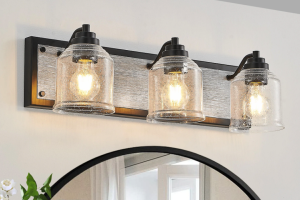
- Sconces on Either Side of the Mirror: This is often considered the most flattering and functional way to light a bathroom vanity. It provides even light on your face, minimizing shadows, which is perfect for grooming.
Accent Lighting: Highlighting What You Love
This is where you get to add personality and depth. Accent lighting is used to draw attention to specific features – artwork, architectural details, a textured wall, or even a beautiful plant. It creates visual interest and makes a space feel more curated and sophisticated.
Showcasing Your Decor
- Picture Lights: For artwork, a dedicated picture light provides focused illumination that brings out the colors and textures of your pieces.
- Recessed Spotlights: These can be aimed precisely at artwork or architectural features. Use them sparingly, though; too many can make a room feel like a museum.
- Uplighting: Placing lights at the base of a plant or a textured wall and aiming them upwards can create dramatic shadows and highlight unique elements.
Creating Ambiance
- Picture a dim, warmly lit corner with a beautiful sculpture or a bookshelf filled with beloved books. This is the effect accent lighting can achieve. It encourages the eye to wander and discover.
The Magic of Bulb Choice: Color Temperature and Brightness
This is arguably one of the most overlooked, yet critical, aspects of creating a warm and inviting atmosphere. The type of bulb you choose has a profound impact on the mood of your home.
Color Temperature: The Warmth Factor
Color temperature is measured in Kelvin (K). Lower Kelvin numbers indicate warmer, more yellowish light, while higher numbers lean towards cooler, bluer light.
- Warm White (2700K – 3000K): This is your sweet spot for creating a cozy, inviting atmosphere. It mimics the warm glow of incandescent bulbs and is perfect for living areas, bedrooms, and dining rooms. It promotes relaxation and comfort.
- Neutral White (3500K – 4000K): This is a good middle ground. It’s brighter and more energizing than warm white, making it suitable for kitchens and bathrooms where you need clearer visibility for tasks. It’s less overtly “cozy” but still comfortable.
- Cool White/Daylight (5000K+): This light is very bright and has a blueish tint, similar to natural daylight. While great for specific task lighting or areas where you need maximum visibility and focus (like a garage or a workshop), it’s generally not ideal for creating a warm and inviting ambiance in living spaces. It can feel sterile and uninviting.
Brightness (Lumens) and Dimmability
- Lumens: This measures the actual brightness of a light bulb. More lumens mean a brighter bulb. When selecting bulbs for ambient lighting, you’ll need more lumens than for accent lighting. However, the key is to use dimmers to control the output.
- Dimmable LEDs: Modern LED technology is fantastic. You can get energy-efficient LEDs that are also dimmable. Ensure that the dimmer switch you install is compatible with your LED bulbs. This compatibility is crucial for smooth dimming without flickering.
Integrating Smart Lighting: Modern Convenience and Control
New builds are the perfect opportunity to integrate smart lighting systems from the ground up. This isn’t just about convenience; it’s a powerful tool for fine-tuning your home’s atmosphere.
The Benefits of Smart Lighting
- Seamless Control: Adjust brightness, color temperature, and even colors (if applicable) from your smartphone, tablet, or voice assistant.
- Scene Setting: Create pre-programmed lighting “scenes” for different occasions. Imagine a “Movie Night” scene that dims the lights and creates a cozy ambiance, or a “Dinner Party” scene that adds a warm, inviting glow.
- Automation: Schedule lights to turn on and off at specific times, or have them react to motion. This can enhance security and further contribute to a welcoming atmosphere as lights can gently illuminate pathways as you enter a room.
- Energy Efficiency: Smart systems often allow for more granular control, helping you save energy by ensuring lights aren’t left on unnecessarily.
Planning for Smart Lighting
- Wiring: When your new build is being wired, ensure you have the necessary wiring for smart switches, hubs, and potentially in-ceiling smart fixtures. Discuss your smart home aspirations with your builder or electrician.
- Types of Smart Bulbs and Fixtures:
- Smart Bulbs: These screw into existing sockets and connect wirelessly to your smart home system. They offer flexibility to change individual lights.
- Smart Switches: These replace your existing light switches and control the entire circuit they’re connected to. They offer a more integrated and often more robust solution.
- Integrated Smart Fixtures: Some modern light fixtures come with built-in smart capabilities.
The Art of Layering and Placement: Where to Put Your Lights
It’s not just about what lights you choose, but where you place them and how they work together. This is where the real magic of creating an inviting atmosphere happens.
Avoiding the “Spotlight Effect”
A common pitfall in new builds is relying too heavily on overhead lighting, leading to a sterile, dungeon-like feel. The goal is to distribute light evenly and strategically.
- Think about the primary function of each room. Where do you spend most of your time? What activities do you do there?
- Don’t just put lights in the center of the ceiling. Consider placing them closer to walls to wash them with light, which can make a room feel larger and more welcoming.
Accentuating Architectural Features
New builds often have clean lines and modern designs. Lighting can be used to soften these and add character.
- Highlighting Coving or Crown Molding: Small LED strips hidden in coving can create a beautiful, indirect glow that adds depth and sophistication.
- Emphasizing Niches or Built-in Shelving: Strategically placed small spotlights or LED strips can turn these areas into display features, adding visual interest and warmth.
Creating Zones within Open-Plan Living
Open-plan layouts are popular, but they can sometimes feel cavernous. Lighting is your best tool for defining different zones within a larger space.
- Use pendants to define dining or kitchen island areas.
- Employ floor lamps and table lamps to create cozy reading nooks.
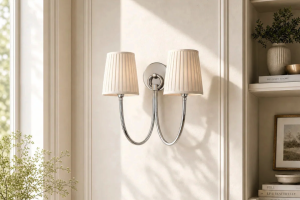
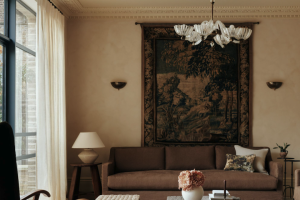
- Wall sconces can add ambiance to seating areas.
Bringing It All Together: The Emotional Impact of Light
Ultimately, creating a warm and inviting atmosphere is about how the lighting makes you feel. It’s about creating a space that encourages relaxation, connection, and a sense of belonging.
The Psychological Connection
- Warm light promotes feelings of comfort and security. It’s associated with firelight and sunset, primal sources of comfort.
- Strategic lighting can reduce eye strain and fatigue. This makes a space more enjoyable to spend time in.
- A well-lit home feels more welcoming to guests. It signals that the space is cared for and comfortable.
The Role of Natural Light
While this is about new build lighting, it’s crucial to remember how natural light interacts with your artificial lighting scheme.
- Maximize natural light during the day. Large windows and skylights are ideal.
- Consider how artificial lights will complement or counteract natural light. For example, during the day, you might not need much artificial light, but as dusk approaches, your layered lighting scheme will take over seamlessly.
The Long-Term Value
Investing in thoughtful lighting design from the outset in your new build isn’t just about aesthetics. It’s about enhancing the livability and enjoyment of your home for years to come. It contributes to your well-being and the overall appeal of your property. So, as you plan your new home, don’t underestimate the power of well-designed, warm, and inviting lighting. It’s the silent architect of ambiance.