Enhancing Brownstone Hallways with Long Wall Lighting
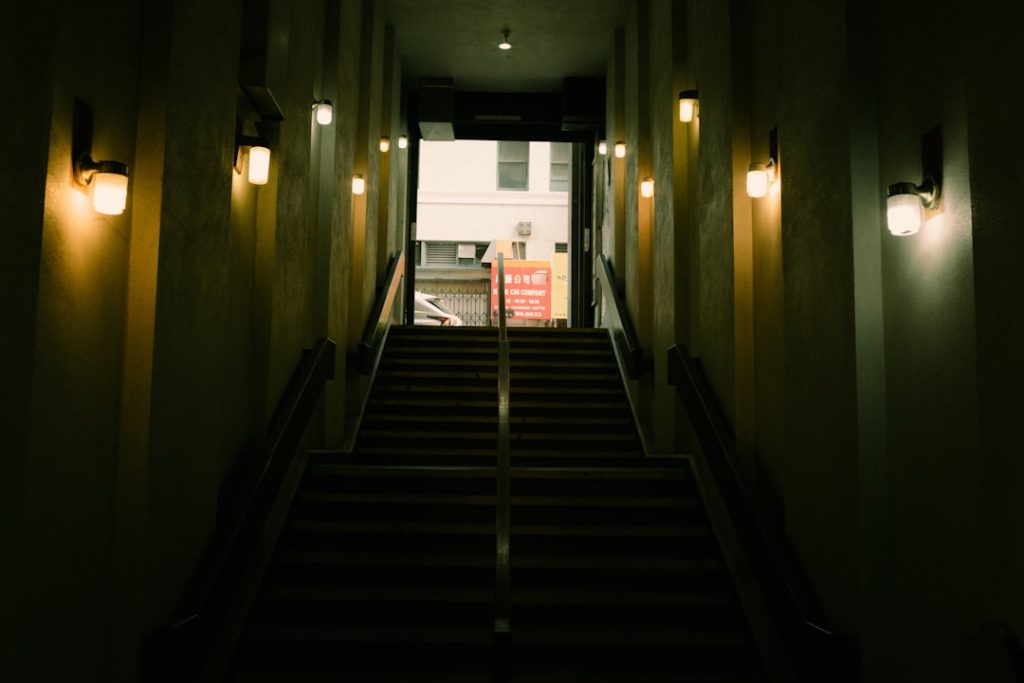
You’re looking to brighten up those long, sometimes dim brownstone hallways, and that’s a fantastic idea. Long wall lighting is a smart and effective way to do it. Think of it as giving your hallway a makeover that’s not just about looks, but also about making it more welcoming and functional. It’s about transforming that potentially dingy passage into something that feels deliberate and inviting.
The “Why” Behind Long Wall Lighting for Brownstone Hallways
Brownstone hallways can often feel like afterthoughts. They’re pathways, functional spaces that get you from A to B, but rarely are they celebrated for their own merit. This is where strategic lighting comes in, and long wall lighting is a particularly good fit.
Creating a Sense of Space and Flow
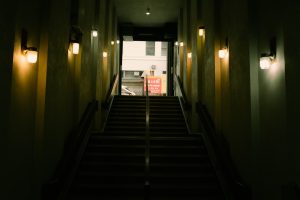
One of the biggest benefits is how it can manipulate your perception of space. A well-placed strip of light along a long wall can draw the eye, making the hallway feel longer and wider than it might actually be. This is especially helpful in narrower brownstone layouts where every inch counts in making the space feel less confined. It guides the eye, encouraging movement and making the journey through the hallway feel less like an obstacle course and more like a pleasant transition.
Highlighting Architectural Features
Brownstones are known for their character, and their hallways often boast beautiful original details. Think about ornate trim, interesting brickwork, or even just the texture of aged plaster. Long wall lighting can be angled to graze these surfaces, bringing out their texture and depth. Instead of just being a backdrop, the walls themselves become a focal point, revealing the history and craftsmanship embedded in your home. It’s like a spotlight for your building’s personality.
Enhancing Safety and Accessibility
Let’s be practical. Dim hallways are tripping hazards. Long wall lighting, when designed thoughtfully, can provide consistent, ambient illumination. This makes navigating the space safer, especially for those with mobility concerns or when carrying items. It reduces the stark contrasts between lit and unlit areas, making it easier for your eyes to adjust and preventing those moments of fumbling for a light switch in the dark.
Setting a Mood and Ambiance
Beyond just utility, lighting is a powerful tool for setting a mood. Long wall lighting can create a warm, inviting glow that transforms a sterile hallway into a welcoming entrance to your living spaces. It can feel sophisticated, cozy, or even a bit dramatic, depending on the type of fixture and the light it casts. It’s about making that transition into your home feel intentional and pleasant.
Types of Long Wall Lighting Fixtures
When we talk about “long wall lighting,” it’s not just one thing. There are several clever ways to achieve this effect, each with its own character and application.
Integrated LED Strips (Cove Lighting)
This is perhaps the most contemporary and streamlined approach. LED strips are hidden within a cove – a recess or ledge built into the wall or ceiling.
The “Invisible” Light Source
The beauty of cove lighting is that you don’t see the fixture itself, only the light it emits. This creates a soft, diffused glow that washes over the wall or ceiling, providing indirect illumination. It feels clean and modern, a great way to update a historic space without overpowering its character.
Layering Light for Depth
Cove lighting is excellent for creating a sense of depth. By directing the light upwards or downwards, you can highlight the ceiling or the lower portion of the wall, adding layers to the illumination and making the hallway feel more dynamic.
Customization and Flexibility
LED strips come in various colors and brightness levels. You can choose warm white for a cozy feel, or even RGB options if you want to play with different colors for special occasions. The flexibility means you can tailor the light precisely to your taste and the hallway’s specific needs.
Wall Washers and Grazers
These are fixtures designed to specifically illuminate the wall surface. Wall washers provide an even spread of light down a surface, while grazers concentrate light at a sharp angle to emphasize texture.
The Even Spread of Wall Washers
Wall washers are perfect for providing a uniform light that makes a long wall feel consistent and well-lit. They’re often mounted at the ceiling or high on the wall and direct light downwards, illuminating the entire vertical surface without creating harsh shadows.
Revealing Texture with Grazers
If your brownstone has interesting brickwork or textured plaster, a wall grazer is your best friend. Mounted close to the wall and angled to shine directly onto it, grazers create dramatic shadows that highlight every bump and crevice, bringing the wall’s history to life.
Minimalist Fixture Design
Many wall washers and grazers are designed to be unobtrusive. They can be slim, linear fixtures that blend seamlessly into the architectural details of the hallway.
Picture Lights and Linear Sconces
While often used for artwork, longer, linear sconces can also function as a form of long wall lighting.
Extending the Visual Line
Linear sconces, especially those that cast light upwards and downwards, can create a strong horizontal line that visually extends the hallway. They add a touch of elegance and direct the eye along the path.
Accent Lighting with a Purpose
If you have a collection of framed photos or art in your hallway, linear sconces can serve a dual purpose: illuminating the artwork while also contributing to the overall ambient lighting of the corridor.
Classic and Contemporary Options
Linear sconces come in a wide range of styles, from modern minimalist designs to more traditional fixtures that can complement the brownstone’s historic charm.
Design Considerations for Brownstone Hallways
Applying long wall lighting to a brownstone hallway requires a bit of thought. These spaces have unique characteristics that influence the best approach.
Balancing Ambient and Accent Lighting
It’s rarely just about one type of light. A well-designed hallway often combines ambient light for general illumination with accent lighting to highlight specific features.
The Need for Overall Brightness
While accent lighting is great for drama, you still need enough general light to comfortably walk and navigate. Long wall lighting can contribute significantly to this ambient layer, ensuring the hallway isn’t too dim.
Highlighting Details with Purpose
Use accent lighting, like focused grazers or even strategically placed smaller fixtures, to draw attention to points of interest. This could be a beautiful staircase banister, a piece of art, or even just the intricate brickwork on one side of the hall.
Creating Visual Interest Through Contrast
The interplay between lit and unlit areas, and the different types of light, creates visual interest. It prevents the hallway from feeling flat and monotonous.
Dealing with Existing Architecture
Brownstone hallways are often narrow, have low ceilings, or feature original elements that can’t be easily altered. This is where smart placement is key.
Ceiling Height Matters
If your ceilings are low, mounting fixtures too high can make the space feel even more cramped. Consider wall-mounted options or cove lighting that washes downwards, rather than upwards.
Navigating Awkward Angles and Obstructions
You might have doorways, radiators, or other architectural features that interrupt the wall space. Plan your lighting layout to work around these, perhaps using shorter sections of light or adjusting fixture placement.
Respecting Original Materials
Avoid permanent alterations that could damage original plasterwork or woodwork if possible. Many lighting solutions can be installed with minimal impact.
The Impact of Wall Material and Color
The surface your light hits significantly affects how it looks.
Texture is Everything
As mentioned with grazers, textured walls like exposed brick or rough plaster will interact differently with light than smooth painted walls. Consider how the light will reveal or soften these textures.
Color and Reflection
Lighter wall colors will reflect more light, making the hallway feel brighter. Darker colors will absorb more light, requiring more powerful fixtures or a different approach. If you have dark walls, consider a slightly warmer light to counteract any potential gloom.
Installation Tips for a Seamless Look
Getting that polished, professional look for your hallway lighting often comes down to the installation.
Hidden Wiring for a Clean Aesthetic
The goal with long wall lighting is often an almost invisible integration. This means hiding the electrical wires as much as possible.
In-Wall Concealment
The most professional approach involves running wires within the walls. This usually requires cutting into drywall or plaster and can be a job best left to an electrician, especially in older homes.
Using Conduits or Raceways Discreetly
If in-wall wiring isn’t feasible, consider using slim, paintable conduits or raceways that can blend into the wall color. These can be strategically placed to be less noticeable.
Planning Circuits Carefully
Think about how you want to control the lights. Will they be on a single switch, or do you want separate control for different sections? Planning your circuits from the outset will save headaches later.
Fixture Placement and Alignment
Precision is key to achieving that sophisticated, intentional look.
Measuring Twice, Drilling Once
Before you install anything, meticulously measure and mark your intended fixture locations. Use a level to ensure everything is perfectly straight.
Consistent Spacing
If you’re using multiple identical fixtures, ensure the spacing between them is consistent. This creates a rhythmic, pleasing visual effect.
Edge Alignment
Align the edges of your fixtures with architectural features like doorframes or baseboards. This creates a sense of order and integration.
Control Systems and Smart Lighting Integration
Modern lighting isn’t just about flipping a switch; it’s about intelligent control.
Dimmers for Ambiance Control
This is almost non-negotiable for hallway lighting. Being able to adjust the brightness allows you to tailor the mood for different times of day or occasions.
Creating Subtle Shifts
A dimmer allows you to go from a brighter, more functional light for daytime traffic to a softer, more atmospheric glow for evenings. It’s about having flexibility.
Energy Efficiency Benefits
Dimming lights not only saves energy but also extends the lifespan of your LED fixtures.
Smart Lighting for Convenience and Automation
Connecting your hallway lights to a smart home system opens up a world of possibilities.
Voice Control and App Management
Control your lights from anywhere using your smartphone or voice commands. Imagine turning on the hallway light as you approach your door.
Scheduling and Automation
Set schedules for your lights to turn on and off automatically. This is great for security and convenience, making it look like someone is home even when you’re not.
Motion Sensors for Effortless Illumination
Integrating motion sensors means the hallway lights can turn on automatically when someone enters and turn off after a set period of inactivity. This is incredibly practical and energy-saving.
Beyond the Basics: Elevating Your Brownstone Hallway
Once you’ve got the functional aspects covered, you can start thinking about how to truly make your hallway shine.
Incorporating Artwork and Mirrors
These are natural complements to good lighting.
Lighting Up Your Art
Use your long wall lighting to highlight framed prints, photographs, or even small sculptures. Consider directional accent lights to focus on specific pieces.
The Reflective Power of Mirrors
Mirrors can work wonders in narrow hallways. Strategically placed mirrors, illuminated by your wall lights, can make the space feel larger and brighter by bouncing light around.
Using Plants and Greenery
A touch of nature can make a hallway feel more alive.
Bringing in Life
Even a small shelf with a well-lit plant can add a welcome organic element to a corridor. Choose plants that thrive in lower light conditions if natural light is limited.
Creating a Welcoming Pathway
The combination of soft lighting and a touch of greenery can make your hallway feel less like a transit zone and more like an extension of your living space.
Considering the Soundscape
While not directly lighting, acoustics play a role in the feel of a hallway.
Reducing Echoes
Hallways can sometimes feel echoey. Softening the walls with textured materials or even strategically placed acoustic panels (disguised as art, perhaps) can improve the overall ambiance.
Complementing the Visual Experience
A well-lit hallway that also feels acoustically pleasant contributes to a more immersive and enjoyable experience of your home.
By thoughtfully integrating long wall lighting, you can transform your brownstone hallway from a forgotten passage into a beautiful, functional, and inviting part of your home. It’s an investment that pays off in both aesthetics and practicality, making every step through your home a little brighter and more enjoyable.