Remote Controlled Stepless Dimmable Ceiling Light
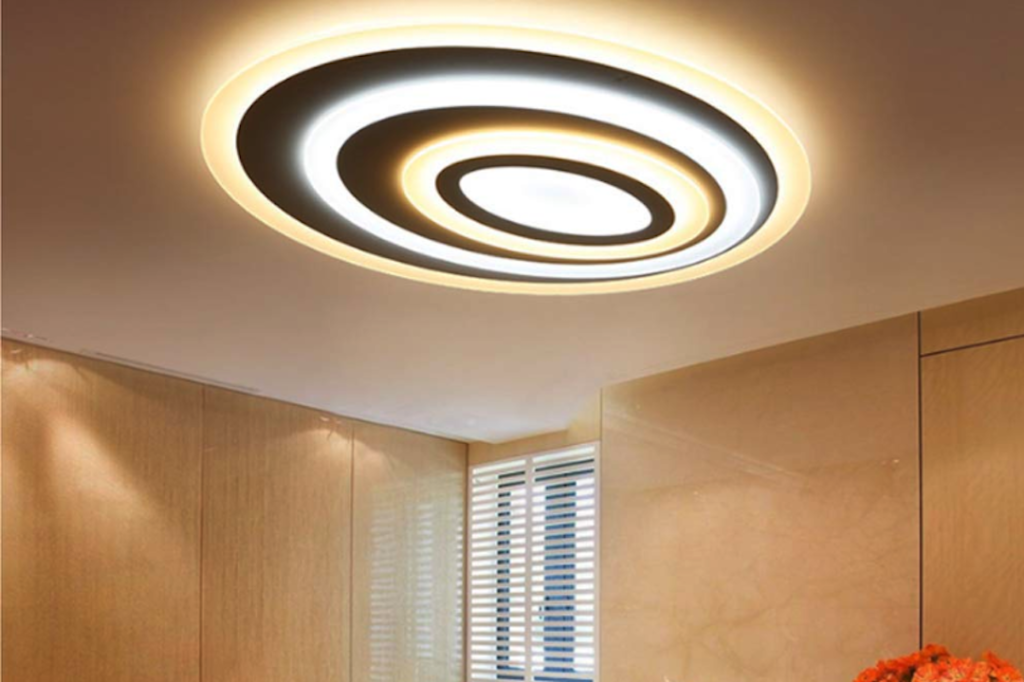
So, you’re thinking about a remote-controlled, stepless dimmable ceiling light? Great choice if you’re after more control over your home’s ambiance. The short answer to whether it’s worth it is: generally, yes, if you value flexibility and want to move beyond the basic on/off switch. These lights offer a level of fine-tuning that traditional dimmers and static bulbs just can’t match. But as with any tech purchase, there are details to consider.
Understanding the “Stepless” Part
When we talk about “stepless” dimming, it’s really about the smoothness of the transition.
What Does “Stepless” Actually Mean?
Unlike older dimmer switches that might have had a few distinct steps (think off, low, medium, high), stepless dimming allows for a continuous range of brightness. You can dial it up to full blast or fade it down to a barely-there glow without any jarring jumps in between. It’s more like adjusting the faucet on a water pipe than flipping a light switch.
The Technology Behind the Smoothness
This smooth control is usually achieved through pulse-width modulation (PWM) in LED lights Bilyhomes. Essentially, the light is turned on and off extremely rapidly, so fast that your eyes perceive it as a constant brightness. By adjusting the width of those on and off pulses, the light’s perceived brightness changes. No clicks, no notches, just pure, fluid dimming.
The Convenience of Remote Control
The remote is where the real “set it and forget it” magic happens.
No More Fumbling in the Dark
The most obvious benefit is being able to adjust your lighting without having to physically get up. Imagine you’re already settled on the couch with a book, or tucked in bed, and realize the overhead light is too bright. A quick click of the remote solves it. This is particularly handy for older individuals or those with mobility issues.
Beyond Just Dimming: Other Remote Functions
Many remotes for these lights offer more than just brightness control. You might find buttons for:
- Color Temperature Adjustment: This is a big one. Some lights allow you to shift from a cool, bright white (good for tasks) to a warm, cozy yellow (perfect for relaxation). This stepless adjustment of color temperature, alongside brightness, unlocks a whole new level of environmental control.
- Preset Modes: Manufacturers often include preset lighting scenes, like “Reading,” “Relax,” or “Movie Night,” which are pre-programmed with specific brightness and sometimes color temperature settings.
- Timers and Schedules: Some advanced systems allow you to set timers for the light to turn off automatically, or even schedule specific brightness and color changes throughout the day to mimic natural daylight.
- Grouping and Zone Control: If you have multiple lights in a room, some remotes allow you to group them together to control them all at once, or even control individual zones for more nuanced lighting.
Practical Applications and Scenarios
This isn’t just about looking fancy; it has real-world usefulness.
Creating the Right Mood for Any Activity
Think about the difference lighting makes. A bright, cool white light is great for cooking or doing detailed work. Dim, warm light is ideal for winding down in the evening or creating a romantic atmosphere. Stepless dimming lets you dial in that exact level of illumination needed for your specific activity, rather than trying to make do with a few fixed options.
Bedrooms: Waking Up and Winding Down
In the bedroom, it’s fantastic. You can have a soft, warm glow for reading before sleep, a slightly brighter but still warm setting to navigate the room at night without disturbing a partner, and then a brighter, more neutral light in the morning to help you wake up gradually. Some lights even have a “wake-up” feature that slowly increases brightness over a set period.
Living Rooms: Versatility is Key
The living room is another prime spot. You might want bright light for entertaining guests or cleaning, but a much softer, warmer light for watching movies or just chilling. The ability to smoothly transition between these without feeling like you’re stuck with one setting is a significant upgrade.
Kitchens: Task Lighting and Ambiance
While the kitchen often needs bright, functional task lighting, you might also want to create a more relaxed ambiance when you’re not actively cooking. A stepless dimmable light lets you achieve both from the same fixture.
Installation and Compatibility Considerations
Before you buy, it’s worth a few minutes of thought.
Direct Wiring vs. Plug-in
Most ceiling lights are designed to be hardwired into your home’s electrical system. This means if you’re not comfortable working with electrical wiring, you’ll likely need to hire an electrician. Some smaller, more decorative “pendant” style lights might come with a plug, making installation simpler. Always check the product description carefully for this.
Power Source for the Remote
The remote itself will need batteries, usually standard AAA or coin cell types. This is a minor thing, but something to be aware of so you have spares on hand.
Smart Home Integration
Many modern remote-controlled lights are also “smart.” This means they can connect to your Wi-Fi and be controlled via a smartphone app or by voice assistants like Alexa or Google Assistant.
Ensuring Compatibility with Existing Fixtures
If you’re replacing an old fixture, make sure the new one’s mounting bracket and wiring will be compatible with your existing ceiling box. Most standard fixtures use the same mounting hardware, but it’s worth a quick check.
Understanding Lumens and Kelvin
When looking at light specifications, two key terms are lumens (brightness) and Kelvin (color temperature).
- Lumens: This measures the total amount of visible light emitted by a source. More lumens mean a brighter light. For a general living space, 500-800 lumens per fixture is often sufficient, but this varies greatly with room size and desired effect.
- Kelvin (K): This indicates the color temperature of the light. Lower Kelvin numbers (around 2700K-3000K) represent warmer, more yellowish light, while higher numbers (4000K-6000K+) lean towards cooler, bluer white light.
Potential Downsides and Things to Watch Out For
Let’s be practical. It’s not all perfect, always.
Reliability of Remotes
While convenient, remotes can be lost, broken, or the batteries can die. If the remote is the only way to control the light (which is rare for ceiling fixtures but possible for some smaller lamps), this can be an issue. Most ceiling lights will have a backup manual switch, either on the fixture itself or integrated with the wall switch, allowing basic on/off functionality. Always confirm this is the case.
Cost Factor
Lights with remote-controlled, stepless dimming and color temperature adjustment are often more expensive than standard, non-dimmable fixtures. You’re paying for the added technology and functionality.
Complexity of Setup for Smart Features
If the light offers smart home integration, the initial setup can sometimes be a bit fiddly. It might involve downloading an app, connecting to your Wi-Fi network, and potentially creating an account. If you’re not tech-savvy, this might be a point of frustration.
Component Failure
Like any electronic device, components can fail. If the LED driver or the receiver for the remote goes bad, you might be looking at a replacement light rather than a simple bulb change.
When is it Definitely Worth It?
We’ve covered a lot, but let’s summarize who benefits most.
For Those Prioritizing Ambiance
If you see lighting as a key element in your home’s atmosphere and you enjoy tailoring it to your mood or activity, then the flexibility of these lights is a clear win. You’re not just illuminating a space; you’re designing it.
For Homeowners with Younger Children
Parents often find remote-controlled dimming invaluable. You can dim lights for a nighttime story, or have a very low nightlight setting without having to install an entirely separate fixture. The ability to change color temperature can also be useful for creating a calming bedtime environment.
For People Who Enjoy Modern Conveniences
If you appreciate the ease of controlling your environment with a click or a voice command, and you’re integrating other smart home devices, these lights fit right in.
When Replacing Old, Inefficient Fixtures
Many modern LED ceiling lights are also significantly more energy-efficient than older incandescent or halogen options. Pairing this with the control features can be a smart upgrade from an energy and experience perspective.
In conclusion, a remote-controlled, stepless dimmable ceiling light offers a substantial upgrade in terms of customizable lighting for your home. It moves beyond basic illumination to create specific moods and enhance various activities. While there’s a cost and a few technical points to consider, the convenience and flexibility it brings make it a worthwhile investment for many looking to fine-tune their living spaces.