Bohemian Charm: Hand-Woven Rattan Lampshade
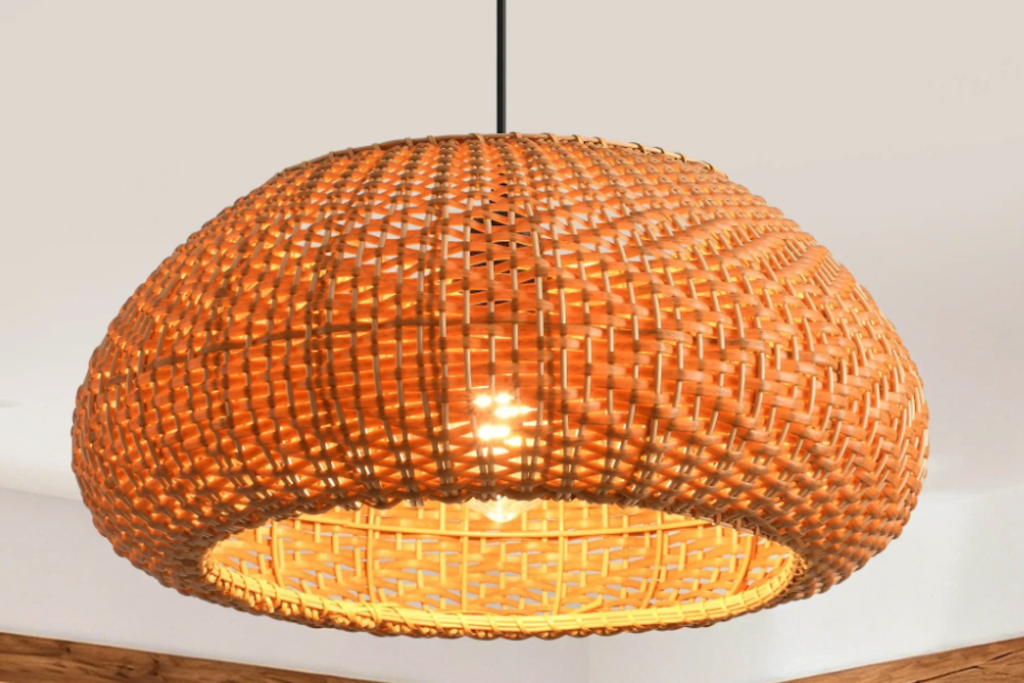
So, you’re wondering about hand-woven rattan lampshades and what makes them such a popular choice, especially for that bohemian look? Simply put, a hand-woven rattan lampshade brings a touch of natural warmth, unique texture, and a laid-back, earthy vibe to any space. They’re not just about light; they’re about adding character and a handcrafted feel that mass-produced items just can’t replicate. Each one tells a subtle story through its individual weave and organic variations.
Beyond its aesthetic appeal, rattan stands out as a material with some solid merits, particularly when considering its environmental footprint. It’s not just a trend; it’s a naturally occurring resource that offers a practical alternative to less sustainable options.
What Makes Rattan Sustainable?
Rattan is a climbing palm that grows abundantly in tropical regions, particularly in Southeast Asia. Unlike trees, which need to be cut down to harvest, rattan vines can grow incredibly fast, sometimes as much as 20 feet a year. This rapid growth rate means it regenerates much quicker than traditional timber. When rattan is harvested sustainably, it can be a continuous resource without causing extensive deforestation. Locals often manage its growth, integrating it into existing ecosystems rather than clearing land for plantations, further supporting biodiversity.
Empowering Local Communities
The hand-weaving process is often a cottage industry in many regions. This means that purchasing a hand-woven rattan lampshade Bilyhomes doesn’t just get you a beautiful item; it often directly supports the livelihoods of skilled artisans and their communities. This isn’t about giant factories; it’s about individual hands, passed-down techniques, and fair trade practices that can make a real difference in rural economies. The income generated from crafting these items helps families and communities thrive, preserving traditional craftsmanship for future generations.
The Aesthetic Appeal of Bohemian Charm
“Bohemian” isn’t just a buzzword; it’s an aesthetic philosophy that embraces the unconventional, the natural, and the handcrafted. Rattan lampshades fit perfectly into this ideology, acting as a centerpiece or an accent that ties a room together with an organic touch.
Bringing Nature Indoors
One of the core tenets of bohemian design is a strong connection to nature. Rattan, a natural fiber, inherently brings that outdoor feel inside. It’s not a stark, polished material; it’s rustic, warm, and inviting. The texture itself mimics elements found in forests and jungles, creating a calming, grounding atmosphere. This natural element helps to reduce the feeling of being enclosed by sterile, manufactured environments, fostering a sense of peace and relaxation.
Texture and Warmth
Imagine a room with plain walls, smooth furniture, and sleek surfaces. Now, add a hand-woven rattan lampshade. Instantly, the room gains depth and interest. The intricate weave of rattan creates a play of light and shadow when illuminated, adding dynamic texture that changes throughout the day. This isn’t just about visual texture; it’s about the feel of the material, the way it absorbs and disperses light, creating a soft, diffused glow that’s inherently warm and inviting. It’s a subtle sensory experience that enhances the overall comfort of a space.
Versatility in Design
While “bohemian” is often associated with a free-spirited, eclectic look, rattan lampshades are surprisingly versatile. They can complement a range of styles beyond just dedicated boho chic.
Modern Minimalist Spaces
In a modern minimalist setting, a rattan lampshade can act as a crucial warm accent. Where clean lines and muted tones might otherwise feel cold, a natural rattan piece injects organic warmth without cluttering the aesthetic. Its natural color and simple form can harmonize with minimalist principles, offering a focal point that is both understated and impactful. It’s about adding interest through texture rather than complicated patterns or bold colors.
Coastal and Beach House Vibes
Few materials evoke the feeling of a coastal retreat quite like rattan. Its natural tones and earthy texture perfectly complement an oceanic palette of blues, whites, and sand. It brings to mind driftwood, woven baskets, and relaxed seaside living. A large rattan pendant light can be the defining feature in a beach house living room, or smaller shades can add subtle touches in bedrooms or hallways, enhancing that breezy, relaxed atmosphere.
Eclectic and Global Retreats
For those who love to mix and match influences from around the world, rattan is a neutral yet distinctive element. It pairs beautifully with textiles from India, pottery from Morocco, or furniture from Scandinavia. Its inherent simplicity allows it to blend seamlessly with diverse patterns and colors, tying together disparate elements into a cohesive and globally inspired decor scheme. It acts as a grounding element amidst a rich tapestry of cultural treasures.
Crafting the Charm: The Weaving Process
The “hand-woven” aspect isn’t just a label; it’s a testament to a skilled process that has been refined over generations. Understanding this process adds to the appreciation of each unique piece.
From Vine to Fiber
The journey starts in the forest. Once mature, rattan vines are carefully harvested. After initial cleaning, the outer bark is often stripped, revealing the strong, flexible core. This core is then typically split into thinner strands, which are then further processed – sometimes soaked, dried, or even smoked – to achieve specific colors or to enhance durability. This preparation is crucial, as it determines the quality and workability of the material for the weavers.
The Art of Hand-Weaving
This is where the real magic happens. Each lampshade is typically woven by a single artisan, or a small team, using traditional techniques. There’s no heavy machinery involved. The weaver manipulates the individual rattan strands, interlacing them over and under a frame – often made from more robust rattan or metal wire – to create the desired shape and pattern. This requires immense patience, skill, and an eye for detail. The weaver must maintain consistent tension and spacing to ensure the lampshade holds its form and the pattern is even. The patterns can range from simple, open weaves that allow a lot of light through, to tighter, more intricate designs that create more dramatic shadows.
Unique Imperfections
Because each lampshade is handcrafted, no two are ever exactly alike. You might notice slight variations in the weave, subtle shifts in color in the natural rattan, or minor imperfections that are a hallmark of artisanal work. These aren’t flaws; they’re proof of its handmade nature. These variations are what give each piece its individual charm and character, distinguishing it from mass-produced uniformity. They tell a story of the hands that created it, making your lampshade truly one-of-a-kind.
Integrating Rattan into Your Home
Bringing a hand-woven rattan lampshade into your space doesn’t have to be complicated. It’s about finding the right fit for your needs and letting its natural beauty shine.
Choosing the Right Size and Shape
Rattan lampshades come in a surprising variety of sizes and forms, from small bedside table lamp shades to oversized pendant lights that become a room’s focal point.
Pendants for Impact
Large, dramatic rattan pendant lights are fantastic for making a statement in a living room, dining area, or even above a kitchen island. Their open weave often casts beautiful, intricate shadows on the walls and ceiling, transforming the ambiance. Consider the ceiling height and room size; a very large pendant might overwhelm a small space, while a small one might get lost in a grander room. Think about sight lines and how the light will be dispersed.
Table and Floor Lamps for Accent
Smaller rattan shades are perfect for table lamps and floor lamps. They provide soft, diffused light, ideal for creating cozy reading nooks or adding warmth to a console table. They can serve as complementary elements, reinforcing the bohemian aesthetic without dominating the space. These smaller versions often allow for more intricate weaving patterns to be appreciated up close.
Wall Sconces for Subtle Charm
Rattan wall sconces, though less common, can add a beautiful, organic touch to hallways, staircases, or as accent lighting in a living area. They often cast a more directed, yet still softened, light that highlights architectural features or artwork nearby. They are excellent for layering light in a room, adding depth and visual interest without taking up floor or table space.
Placement and Lighting Considerations
Where and how you hang or place your rattan lampshade will significantly impact its effectiveness and the overall feel of the room.
Ambient vs. Task Lighting
Rattan’s open weave typically means it provides ambient or diffused light rather than sharp, direct task lighting. If you need bright light for reading or working, you might need to supplement a rattan pendant with a task lamp. However, for creating a cozy, relaxing atmosphere, the soft glow of a rattan shade is ideal. Consider the wattage and color temperature of the bulb; a warm white (2700K-3000K) bulb will enhance the natural warmth of the rattan.
Creating Enticing Shadows
One of the most captivating features of an open-weave rattan lampshade is the intricate shadow play it creates. Position it where these shadows can dance on a plain wall or ceiling to maximize this effect. In the evening, when the room’s main lights are off, the rattan lampshade can become a living piece of art, transforming the space with its organic patterns of light and dark. This can turn an ordinary wall into a dynamic feature.
Pairing with Other Materials
Rattan is incredibly versatile and pairs well with a variety of other materials found in bohemian or natural decor.
Soft Textiles
Think linen, cotton, and jute. These natural fibers complement the texture of rattan, creating a cohesive, organic feel. Add throw pillows, blankets, or rugs in these materials to enhance the comfort and visual warmth of the space. The softness of textiles contrasts beautifully with the slight rigidity of rattan.
Greenery and Plants
Few things go together as naturally as rattan and plants. A large potted plant near a rattan floor lamp, or smaller hanging plants cascading around a rattan pendant, will amplify the natural, earthy vibe. The combination creates an indoor oasis, enhancing the biophilic design principles inherent in bohemian style.
Wood and Ceramics
Untreated or lightly stained wood furniture and handcrafted ceramic pieces are perfect companions for rattan. The varying textures of wood grain and ceramic glazes add another layer of natural interest without competing with the lampshade. These elements reinforce the artisan-crafted aesthetic, creating a feeling of authenticity and warmth throughout the room.
Maintaining Your Rattan Lampshade
While rattan is durable, a little care goes a long way in ensuring your hand-woven lampshade remains beautiful for years. It’s not high-maintenance, but some regular attention helps.
Basic Cleaning
Dust is the primary enemy of any lampshade, and rattan’s open weave can act as a bit of a dust trap.
Dusting Regularly
Use a soft brush attachment on your vacuum cleaner on a low setting, or a microfiber cloth or feather duster, to gently remove dust from the surface and crevices of the weave. Doing this weekly or bi-weekly will prevent dust buildup from becoming embedded. A gentle hand is key to avoid snagging the delicate fibers.
Spot Cleaning
For any spills or deeper marks, use a slightly damp cloth (damp, not wet!) with a tiny amount of mild, diluted soap. Gently blot the affected area. Avoid saturating the rattan, as excessive moisture can weaken the fibers or cause discoloration. Always test any cleaning solution on an inconspicuous spot first to ensure it doesn’t cause damage or staining.
Avoiding Damage
Rattan, though sturdy, can be susceptible to certain environmental factors.
Humidity and Moisture
High humidity can cause rattan to swell, and prolonged exposure to damp conditions can lead to mildew. Conversely, extremely dry environments can make it brittle. Try to keep rattan pieces in areas with stable, moderate humidity. If you live in a very humid climate, ensure good air circulation. In very dry climates, consider a humidifier if you notice signs of brittleness.
Direct Sunlight
While rattan is a natural material from sunny regions, prolonged, direct exposure to harsh sunlight can cause its natural color to fade and the fibers to dry out and become brittle over time. Position your lampshade where it gets good light, but perhaps avoid a spot where it’s constantly baking in direct sun for many hours a day. If fading does occur, it often happens evenly, resulting in a slightly lighter, “sun-kissed” look that some find appealing, but it can impact the integrity of the material over a very long period.
By choosing a hand-woven rattan lampshade, you’re not just buying a light fixture; you’re investing in a piece of art that tells a story, supports tradition, and brings a unique, natural warmth to your home. It’s a practical choice that happens to be exquisitely charming.