Ultimate Kitchen Solution: 26.6.1 Aluminum Ceiling Lamp
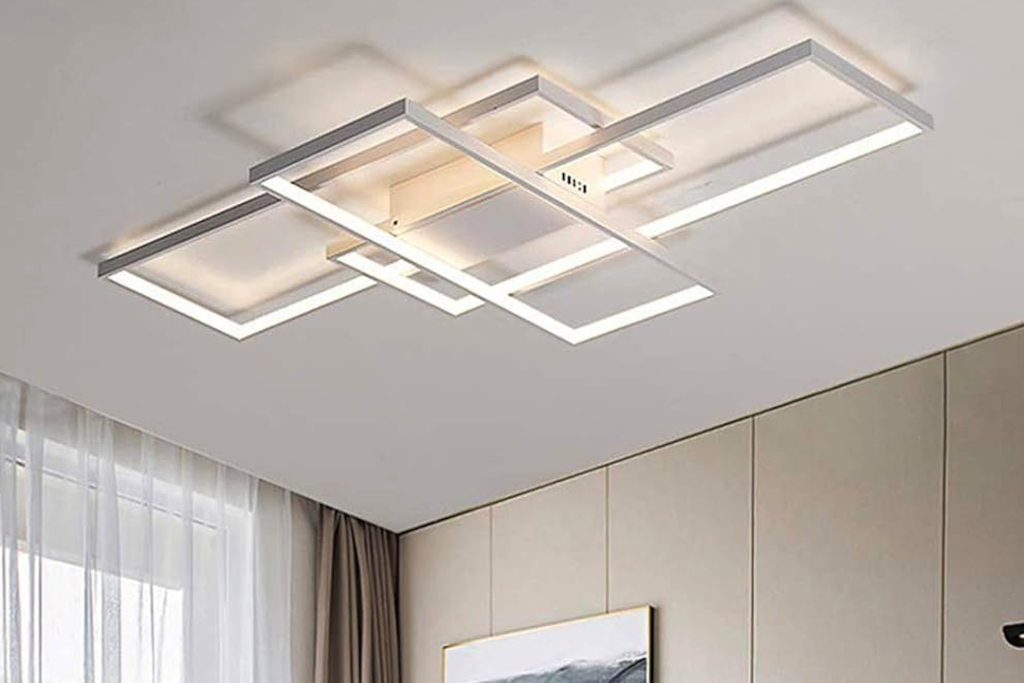
Thinking about upgrading your kitchen lighting and wondering if the “Ultimate Kitchen Solution: 26.6.1 Aluminum Ceiling Lamp” is the way to go? Let’s break down what this particular fixture brings to the table, focusing on whether it’s genuinely a good fit for your cooking space.
What is the 26.6.1 Aluminum Ceiling Lamp?
At its core, the “26.6.1 Aluminum Ceiling Lamp Sellingni” is a modern, often minimalist ceiling light designed with kitchens in mind. The “26.6.1” designation likely refers to specific model or series numbers within a manufacturer’s catalog, not necessarily a general industry standard. The key feature is its aluminum construction. Aluminum is chosen for its durability, light weight, and ability to be shaped into various modern designs, often with a sleek, brushed, or matte finish. These lamps typically integrate LED technology, which is a significant aspect of their “ultimate solution” claim.
Is It Truly the “Ultimate Kitchen Solution”?
The term “ultimate solution” is, of course, marketing language. No single product is going to be the perfect fit for every single kitchen. However, this type of fixture aims to address common kitchen lighting needs effectively. It’s designed to provide good general illumination, be energy-efficient, and often offers a contemporary aesthetic that complements many modern kitchen designs. Whether it lives up to the “ultimate” hype depends on your specific kitchen layout, your cooking habits, and your personal style preferences.
Key Features and Benefits to Consider
Let’s dig into what makes this type of lamp stand out, and where it might fall short.
Brightness and Illumination Quality
One of the primary functions of kitchen lighting is to provide ample brightness for tasks like chopping vegetables, following recipes, and general movement around the space.
Lumen Output: How Much Light Does It Give Off?
The “26.6.1” designation might not directly tell you about its lumen output, but you’ll want to look for this specification. Lumens measure the total amount of visible light emitted by a source. For a kitchen ceiling lamp, you’re generally looking for something that can illuminate a reasonably sized area effectively. A single fixture might range from 1500 to 3000 lumens or more, depending on its size and intended coverage. A brighter fixture might be better for larger kitchens or those with dark countertops.
Color Temperature: Warm vs. Cool Light
This is a crucial aspect that often separates a good light from a jarring one. Color temperature is measured in Kelvin (K).
- Warm White (around 2700K-3000K): This mimics the light from traditional incandescent bulbs, providing a cozy, inviting atmosphere. It’s often preferred for living areas but can work in kitchens if you prefer a softer ambiance.
- Cool White/Natural White (around 3500K-4500K): This is a more neutral light that is great for task lighting. It can make colors appear more true and is excellent for food preparation. Your eyes tend to be less strained under this type of light for detailed work.
- Daylight (5000K and above): This is a very bright, blue-toned light that resembles natural daylight. While it offers excellent visibility, some find it too harsh for long periods in a home environment, although it can be useful in specific workshop-like kitchen setups.
For a kitchen, a color temperature of 3500K to 4000K is often considered ideal, offering a good balance for both task illumination and general ambiance.
Even Light Distribution: Avoiding Hotspots and Shadows
A well-designed ceiling lamp should distribute light evenly across the room. Poorly designed fixtures can create “hotspots” of intense light in one area while leaving others in shadow. This can be frustrating for cooking and can make the kitchen feel unevenly lit. Read reviews or look for lamps that mention diffusers or unique optical designs aimed at creating a softer, more uniform glow.
Energy Efficiency and Longevity (LED Technology)
The “Aluminum Ceiling Lamp” often boasts integrated LED technology, which is a significant selling point for modern fixtures.
Lower Energy Consumption Compared to Incandescent/Halogen
LEDs are significantly more energy-efficient than older lighting technologies. This means they use less electricity to produce the same amount of light, leading to lower electricity bills over time. For a fixture that might be on for several hours a day in a busy kitchen, this can add up.
Longer Lifespan: Less Frequent Bulb Changes
LEDs also have a much longer lifespan, often rated for tens of thousands of hours. This means you’ll be replacing bulbs far less often, translating to less hassle and reduced long-term costs. This is a practical benefit that contributes to the “ultimate solution” appeal.
Reduced Heat Output
LEDs produce much less heat than incandescent or halogen bulbs. This is a welcome feature in a kitchen, a room that already generates heat from cooking appliances. Less heat emitted by the light fixture means your kitchen will feel a bit cooler and more comfortable, especially during warmer months.
Design and Aesthetics
The visual appeal of a light fixture is just as important as its functionality, especially in a space like the kitchen where people gather.
Modern and Minimalist Styles
Aluminum ceiling lamps often fall into the modern and minimalist design categories. This means clean lines, simple shapes, and unobtrusive profiles. They are designed to blend seamlessly into contemporary kitchen decor rather than being a focal point. If your kitchen has sleek cabinetry, stainless steel appliances, and a generally uncluttered aesthetic, this type of lamp can complement it very well.
Material and Finish Options
The “aluminum” aspect is key here. This material allows for a variety of finishes:
- Brushed Aluminum: Offers a subtle sheen and texture, hiding fingerprints well.
- Matte Aluminum: Provides a non-reflective, sophisticated look that is very contemporary.
- Anodized Aluminum: Can achieve a range of colors and enhanced durability.
The specific finish will impact how the light reflects and how the fixture integrates with your kitchen’s existing metals and finishes.
Versatility in Design
While often minimalist, these lamps can come in various forms:
- Slim, Flush-Mount Fixtures: These sit very close to the ceiling, ideal for kitchens with lower ceilings or where you want maximum clearance.
- Pendant-Style Ceiling Lights: Some aluminum fixtures adopt a more pendant-like silhouette but are designed for ceiling mounting, offering a stylish focal point.
- Linear or Rectangular Designs: These can be excellent for illuminating longer kitchen spaces or islands.
The question is, does the specific “26.6.1” model offer a design that fits your kitchen’s unique layout and style?
Installation and Practicality
A practical solution shouldn’t be a nightmare to install or maintain.
Ease of Installation
Most modern ceiling lamps are designed to be straightforward to install, especially if you have basic DIY experience or are comfortable hiring an electrician. Look for fixtures that come with clear instructions and all the necessary mounting hardware. Some might be lighter than older fixtures, making installation a one-person job.
Maintenance and Cleaning
Aluminum is generally easy to clean. A damp cloth with a mild detergent is usually sufficient to wipe away dust and grease. Unlike fabric shades or intricate glass fixtures, aluminum is simple to maintain, which is a significant plus in a kitchen environment where grease and grime can accumulate.
Durability and Robustness
Aluminum is a strong and lightweight metal, making it quite durable. It’s less prone to cracking or breaking than some plastics or delicate glass. This inherent robustness means the fixture should hold up well to the daily wear and tear of a busy kitchen.
Potential Downsides and What to Watch For
While the “ultimate” claim is tempting, it’s wise to consider where this type of fixture might not be the best fit.
Limitations for Specific Kitchen Layouts
- Very Large or Open-Plan Kitchens: A single ceiling lamp, even a powerful one, might not be sufficient for illuminating a vast kitchen area or an open-plan space that includes dining or living zones. You might need multiple fixtures or a combination of ambient, task, and accent lighting.
- Low Ceilings: While some flush-mount designs are great for low ceilings, if you’re looking for something with a more dramatic downward light throw, a very flat ceiling fixture might not achieve that effect.
- Kitchens Requiring Significant Task Lighting: If your kitchen is exceptionally small and you need intense, focused light directly above your workspace, a standard ceiling lamp might not provide enough directed illumination. You might need to supplement with under-cabinet lighting or specialized task lamps.
“One Size Fits All” Fallacy: Does It Address Your Specific Needs?
The “ultimate kitchen solution” pitch can be misleading. Your kitchen is unique.
- Cooking Style: Do you do a lot of intricate cooking that requires very specific, shadow-free lighting? Or are you more about quick meals and a general ambiance?
- Personal Preferences: Do you find bright, cool light invigorating, or do you prefer a warmer, more relaxed feel?
- Existing Fixtures: Are you replacing an old fixture, or are you adding to an existing lighting scheme? This lamp might be a great primary light source, but it might not be the best choice for an accent light.
Material Limitations
While aluminum is great, it’s not indestructible.
- Scratching: While durable, some finishes, especially matte ones, can be more susceptible to visible scratches than brushed or anodized surfaces.
- Corrosion (in extreme environments): While rare in a typical kitchen, prolonged exposure to certain harsh chemicals or very high humidity could potentially affect some aluminum finishes over very long periods.
Integrated LED Issues
The advantage of integrated LEDs is a clean look and efficiency. However, there’s a flip side.
- Lifespan of the Entire Unit: When the integrated LED unit eventually fails (which can be many years down the line), you often have to replace the entire fixture, rather than just a bulb. This can be more costly and less environmentally friendly if not designed for repairability or recyclability.
- Repairability: Integrated LEDs are generally not user-serviceable or repairable. If a component fails, the whole unit is usually considered a write-off by the manufacturer.
Comparing with Other Kitchen Lighting Options
To see if the “26.6.1 Aluminum Ceiling Lamp” is truly the best fit, consider how it stacks up against other common kitchen lighting solutions.
Pendant Lights for Over Islands and Peninsulas
- Pros: Offer excellent focused task lighting directly over workspaces, act as decorative focal points, come in wide variety of styles and materials.
- Cons: Can be harder to install, might require more clearance, can cast shadows if not positioned correctly, may require multiple units for adequate general illumination.
- Comparison: Pendants are often more stylistic and provide more directed light, whereas a ceiling lamp aims for broader, more general illumination.
Track Lighting Systems
- Pros: Extremely versatile, allows for repositioning and adding lights, can provide a mix of task and accent lighting, easy to expand.
- Cons: Can look industrial or utilitarian if not styled carefully, individual lights can be small and might not provide enough broad coverage, can cast shadows from the fixture heads themselves.
- Comparison: Track lighting offers flexibility that a fixed ceiling lamp can’t match but might sacrifice the clean, minimalist aesthetic.
Under-Cabinet Lighting
- Pros: Essential for eliminating shadows on countertops, provides excellent task lighting without glare, can create ambiance with dimmer controls.
- Cons: Requires installation directly onto cabinetry, doesn’t provide general room illumination on its own.
- Comparison: This is almost always a complementary solution to ceiling lighting, not a replacement. The “26.6.1” lamp would work well with under-cabinet lights.
Recessed Lighting (Downlights)
- Pros: Provides very clean, unobtrusive general illumination, can be strategically placed for task or accent lighting, good for creating a modern, seamless look.
- Cons: Requires significant ceiling modification and wiring, can create a “bowling alley” effect if spaced poorly, light quality can be harsh without proper diffusers.
- Comparison: Recessed lighting is similar in its aim for unobtrusive general light but requires more complex installation and can be less of a design statement than a feature ceiling lamp.
Making the Decision: Is It Right for YOUR Kitchen?
So, when does the “Ultimate Kitchen Solution: 26.6.1 Aluminum Ceiling Lamp” make sense?
Who Is It Best Suited For?
- Modern & Minimalist Kitchens: If your kitchen embraces clean lines, simple forms, and a sleek aesthetic, an aluminum ceiling lamp will likely fit right in.
- Homeowners Prioritizing Energy Efficiency: The LED technology makes it a smart choice for reducing energy bills and its environmental impact.
- Those Seeking Low Maintenance: The durable aluminum and easy-to-clean surfaces make it a practical choice for a high-traffic area like the kitchen.
- People Who Don’t Want a Highly Decorative Fixture: If you prefer your lighting to be functional and blend in rather than be a dramatic centerpiece, this type of lamp is ideal.
- Kitchens Needing Good General Illumination: For moderately sized kitchens that need a solid foundation of light, this can be an excellent primary light source.
Questions to Ask Yourself Before Buying
Before you hit that “buy now” button, take a moment to consider these:
- What is the size of my kitchen? Will one fixture be enough, or do I need to supplement?
- What is my primary use for the kitchen? Heavy cooking, quick meals, entertaining?
- What is my preferred light color temperature? Do I want warm, neutral, or cool light?
- What is the style of my existing cabinetry and appliances? Will this fixture complement them?
- What is my budget for lighting? Remember to factor in installation if you’re not doing it yourself.
- Does the specific model offer features I need, like dimmability?
By carefully considering these points, you can move beyond the marketing hype and determine if the “26.6.1 Aluminum Ceiling Lamp” is genuinely an “ultimate solution” for your specific kitchen needs. It’s a strong contender for its efficiency, clean design, and practicality, but like any product, it’s about finding the right fit for your space.